


Device-to-cloud communication
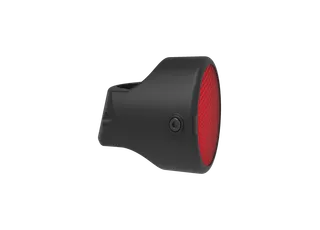
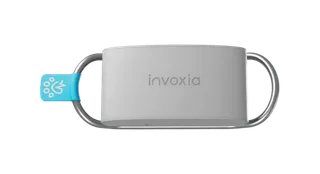
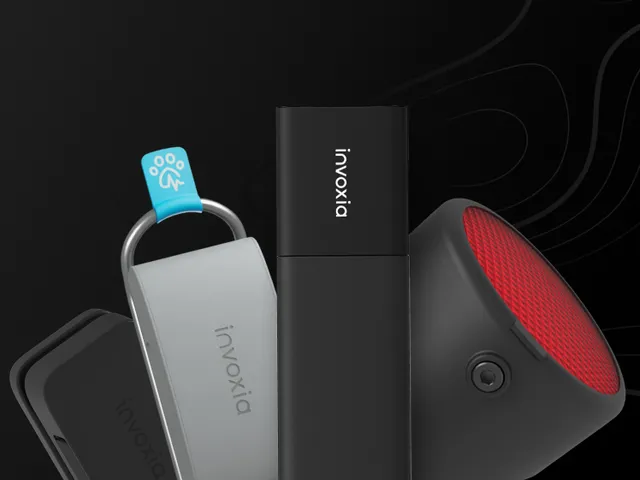
Device-to-cloud communication refers to the process through which IoT devices, such as GPS trackers and pet health monitors, send data to cloud storage and analytics platforms. This method of communication is fundamental to enabling real-time data processing, storage, and accessibility, facilitating seamless interactions among devices and users.
How Device-to-Cloud Communication Works
In device-to-cloud communication, IoT devices collect various types of data, such as location coordinates from GPS trackers or health metrics from pet monitors. This data is transmitted over the internet to a cloud server, where it can be processed and stored. The communication typically follows these steps:
Data Collection
IoT devices equipped with sensors gather valuable information. For example, a GPS tracker collects location data every few seconds, while a pet health monitor might record heart rate or activity levels.
Data Transmission
Once collected, the data is encoded and sent to the cloud over various connectivity options like Wi-Fi, cellular networks, or LPWAN (Low-Power Wide-Area Network). This transmission can occur in real-time or at scheduled intervals, depending on the device's design and user needs.
Data Processing and Availability
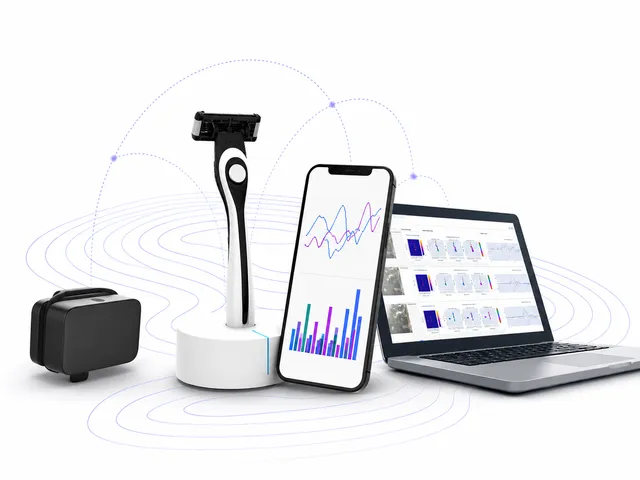
In the cloud, sophisticated algorithms analyze the incoming data, which can then be accessed by users via mobile apps or web interfaces. For instance, pet owners can receive alerts about their pet's health status or track their pet's movements through a GPS tracker, ensuring their safety and well-being.
Benefits of Device-to-Cloud Communication
Device-to-cloud communication offers several advantages, particularly in the realm of IoT applications:
Scalability
Cloud infrastructure allows for the storage and handling of vast amounts of data, making it scalable for various applications. As more devices are added, the system can adapt without requiring extensive hardware upgrades.
Real-Time Monitoring
This communication method facilitates real-time data access, allowing users to monitor their pets' activities or immediate location at any moment. Quick access to data enhances responsiveness, ensuring prompt action in case of emergencies.
Enhanced User Experience
With intuitive interfaces, users can easily interpret the information processed in the cloud. For instance, pet owners can access historical data trends regarding their pet's health or location, promoting better caretaking.
In summary, device-to-cloud communication is a key component of modern IoT ecosystems, enabling efficient data processing, real-time monitoring, and enhanced user engagement in applications such as GPS tracking and pet monitoring.