







Dog respiratory rate
Definition
The dog respiratory rate refers to the number of breaths a dog takes in one minute, typically measured as breaths per minute (bpm). This vital sign is an essential indicator of a dog's overall health and can reveal information about their physical state, stress level, and potential medical conditions. Generally, a normal respiratory rate for dogs ranges between 10 to 35 breaths per minute, depending on factors such as size, breed, age, and activity tracking level.
Importance of Monitoring Respiratory Rate
Health Indicators
A dog's respiratory rate is crucial for assessing its well-being. An increased rate may indicate stress, anxiety, fever, or respiratory illness, while a decreased rate might suggest sedation or serious health issues. Regularly monitoring this vital sign can help pet owners detect early signs of distress, prompting timely veterinary intervention.
Role of Pet Health Monitors
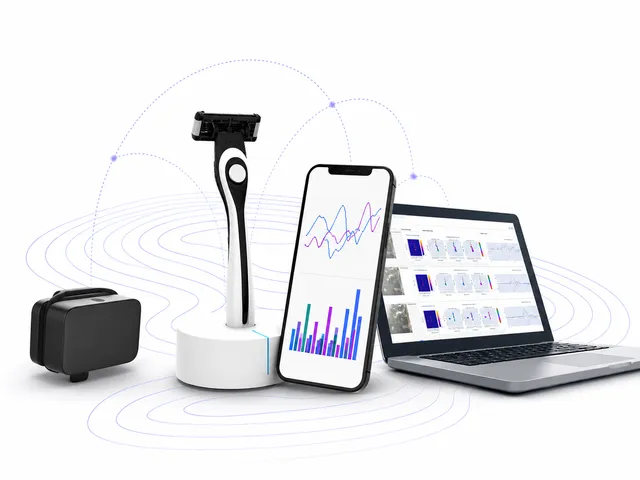
With the rise of technology in pet care, IoT devices and health monitors specifically designed for dogs provide valuable insights into their respiratory rates. Many modern pet health monitors can track a dog's breathing patterns and alert owners to any unusual changes. This real-time data empowers pet owners to take proactive measures in maintaining their pets’ health and improving their quality of life, much like the dog wellness tracking systems that help monitor various vital signs.
How to Measure Respiratory Rate
To measure your dog's respiratory rate, follow these simple steps:
- Find a Calm Moment: Ensure your dog is at rest and calm, as excitement or pain can skew results.
- Observe Breathing: Either watch your dog's chest rise and fall or gently place a hand on their side to feel the breaths.
- Count Breaths: Using a timer, count the number of breaths for 30 seconds and multiply by two to get the rate per minute.
- Utilize Technology: For added convenience, consider GPS trackers with integrated health monitoring features that can automatically track and log your dog’s respiratory rate over time.
By regularly checking and understanding your dog’s respiratory rate, you can ensure its health and well-being remain prioritized, utilizing both traditional methods and modern technology like GPS trackers and IoT devices.