





Edge computing
Definition
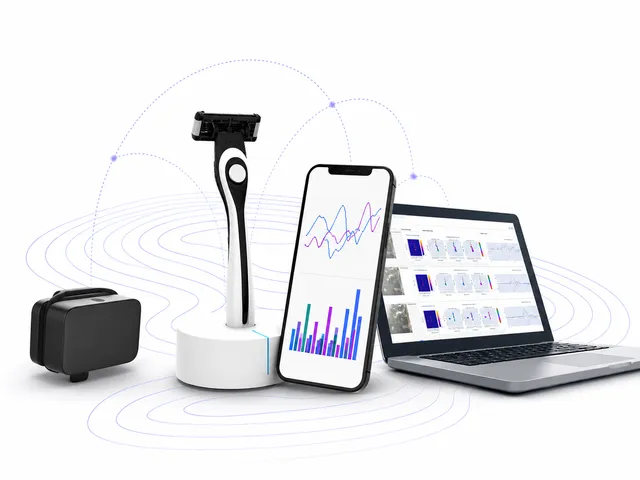
Edge computing refers to the processing of data at the edge of a network, near the source of data generation, rather than relying on a centralized data center. This approach minimizes latency, enhances speed, and optimizes bandwidth usage by handling data locally before sending relevant insights to the cloud for further analysis and storage.
Importance in IoT Devices
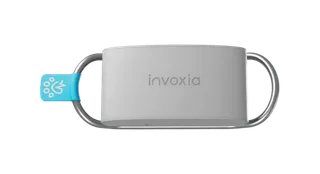
In the realm of Internet of Things (IoT) devices, such as GPS trackers and pet health monitors, edge computing plays a crucial role. Devices equipped with edge computing can analyze data in real-time, making them capable of providing immediate feedback and responses. For example, a GPS tracker utilizing edge computing can analyze location data directly on the device to assess movement patterns, improving navigation and security features without needing to send constant updates to a cloud service.
Real-Time Processing
By leveraging edge computing, GPS-enabled pet monitors can instantly assess a pet's health metrics or activity levels. For instance, if a pet exhibits unusual movement patterns indicative of distress, the device can trigger an alert to pet owners immediately, facilitating prompt action and enhancing pet wellbeing.
Benefits of Edge Computing
The integration of edge computing into GPS tracking and IoT applications offers numerous advantages:
- Reduced Latency: Edge computing minimizes the time it takes to process data and return results, which is critical for applications requiring real-time responses, such as tracking a lost pet or monitoring vital signs.
- Bandwidth Efficiency: By processing information locally, edge devices can significantly reduce the volume of data transmitted to the cloud. This efficiency is especially beneficial in environments with limited network connectivity or when dealing with numerous devices, as is often the case in pet monitoring scenarios.
- Enhanced Privacy and Security: Managing sensitive information locally mitigates security risks. For GPS trackers and health monitors that may collect personal data, edge computing provides a layer of protection by minimizing data exposure to external threats.
In summary, edge computing is a transformative technology that accelerates data processing for GPS trackers, IoT devices, and pet health monitors, enhancing their functionality and user experience while also ensuring security and efficiency.