









Heart rate variability in dogs
Definition
Heart rate variability (HRV) in dogs refers to the physiological phenomenon characterized by the variation in time intervals between successive heartbeats. This measurement is an important indicator of the autonomic nervous system's functioning and overall cardiovascular health. Higher HRV typically indicates a relaxed state and good health, while lower HRV may signal stress or underlying health issues.
Importance of Heart Rate Variability
Monitoring HRV is crucial for understanding your dog's overall well-being. It can provide insights into their stress levels, emotions, and physiological responses to various stimuli. Analyzing HRV can help pet owners and veterinarians identify potential health problems early, allowing for proactive management and treatment.
Practical Applications in Pet Health
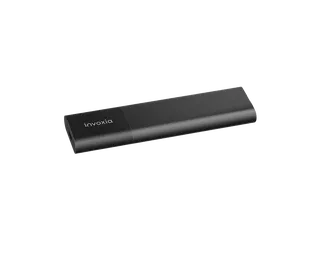
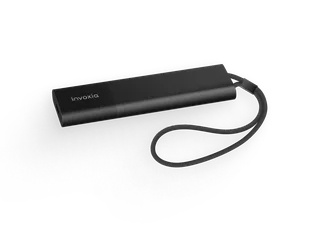
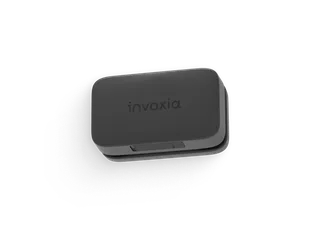
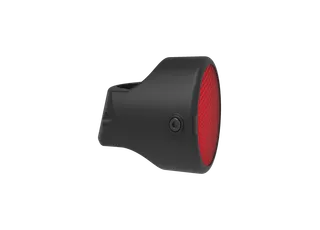
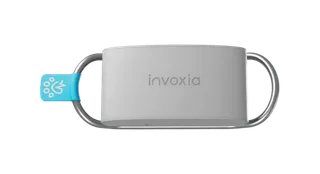
Modern pet health monitors, particularly those integrated with GPS tracking and IoT technology, can facilitate the continuous monitoring of HRV. These devices can track a dog’s heart rate and variability in real-time, providing pet owners with valuable insights into their pet's health patterns. For instance, if a dog's HRV decreases significantly, it may indicate stress due to environmental changes, illness, or exertion, prompting immediate attention.
Utilizing Technology for Monitoring HRV
With the advancement of IoT devices specially designed for pets, heart rate variability can now be monitored effortlessly. Smart collars and health trackers equipped with sensors can provide continuous data on HRV and other vital signs. This information, accessible via smartphone applications, helps pet owners make informed decisions regarding their dog's lifestyle, exercise routine, and veterinary visits.
By utilizing GPS tracking devices that include HRV monitoring, pet owners can gain a comprehensive overview of their dog's health and activities, allowing for tailored wellness plans that promote both physical and mental well-being.