




Indoor positioning
Indoor positioning is the technology that determines the location of a person or object inside a building or enclosed space, where traditional GPS and GNSS satellite signals are too weak to be reliable. Also called an Indoor Positioning System (IPS), it combines radio signals, sensors and software to enable accurate tracking and navigation where satellites cannot reach — in warehouses, hospitals, factories, malls and homes.
Why GPS doesn't work indoors
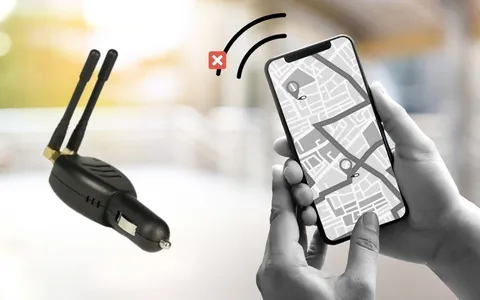
GNSS positioning depends on a clear line of sight to satellites orbiting thousands of kilometers away. Roofs, walls and steel structures scatter and block those faint signals, so accuracy collapses once you step inside. Indoor positioning fills this gap by using signals that already exist inside the building.
How indoor positioning works
Indoor positioning systems triangulate a device's location from nearby reference points. The most common technologies are:
Wi-Fi positioning (WPS)
WPS estimates location by measuring the signal strength of surrounding Wi-Fi access points. Because most buildings already have dense Wi-Fi coverage, it offers good accuracy with little extra hardware — ideal for shopping malls and office buildings.
Bluetooth Low Energy (BLE) beacons
Bluetooth Low Energy beacons broadcast signals that a device measures to compute its position, often to within a meter. BLE is popular for indoor navigation, proximity marketing and asset location in large venues.
Ultra-wideband (UWB) and RFID
UWB delivers centimeter-level precision for high-value use cases, while RFID tags provide zone-level location for inventory and access control. Many systems blend several methods for the best balance of cost and accuracy.
Applications of indoor positioning
- Asset & equipment tracking — Locate tools, pallets and mobile equipment inside warehouses and plants, complementing outdoor equipment tracking and asset tracking.
- Logistics & warehousing — Guide pickers to the right shelf and optimize storage layout.
- Retail & venues — Offer indoor wayfinding and location-based offers.
- Healthcare — Track medical devices and staff to shorten response times, a common use of real-time location services (RTLS).
- Pet & personal safety — Detect when a tracked pet or person leaves a safe indoor zone.
Indoor positioning and Invoxia
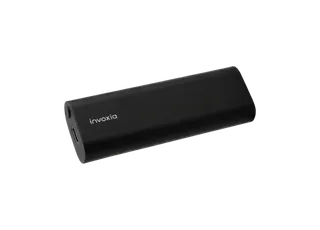
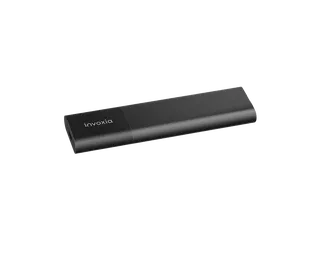
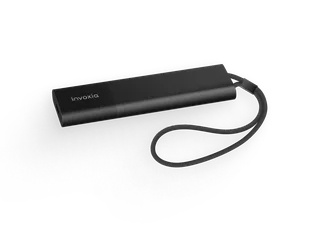
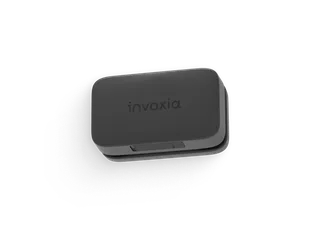
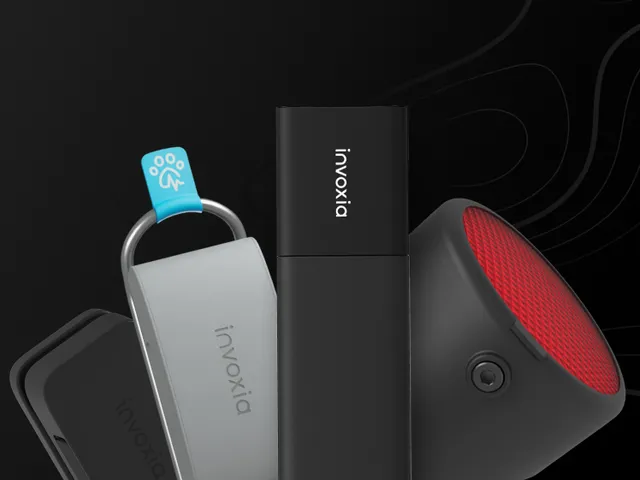
Invoxia's GPS trackers are built for the outdoors, where GNSS excels, but the real world mixes both environments. Understanding indoor positioning explains why a tracker's accuracy changes as an asset or pet moves inside — and why robust tracking often pairs satellite positioning outdoors with Wi-Fi or Bluetooth cues indoors to maintain continuous location tracking.
Frequently asked questions
How accurate is indoor positioning?
Accuracy ranges from a few meters with Wi-Fi to under a meter with Bluetooth beacons, and down to centimeters with ultra-wideband. The right choice depends on the use case and budget.
What is the difference between indoor positioning and GPS?
GPS (a form of GNSS) uses satellites and works outdoors, while indoor positioning uses local signals such as Wi-Fi, Bluetooth or UWB to locate devices inside buildings where satellite signals fail.
Can a GPS tracker work indoors?
A GPS tracker may still get a weak fix near windows, but accuracy drops sharply indoors. For reliable indoor location, systems rely on complementary technologies rather than satellites alone.
What is an Indoor Positioning System (IPS)?
An IPS is the combination of hardware (beacons, access points, tags) and software that continuously determines and displays the location of devices within a building.