




IoT connectivity
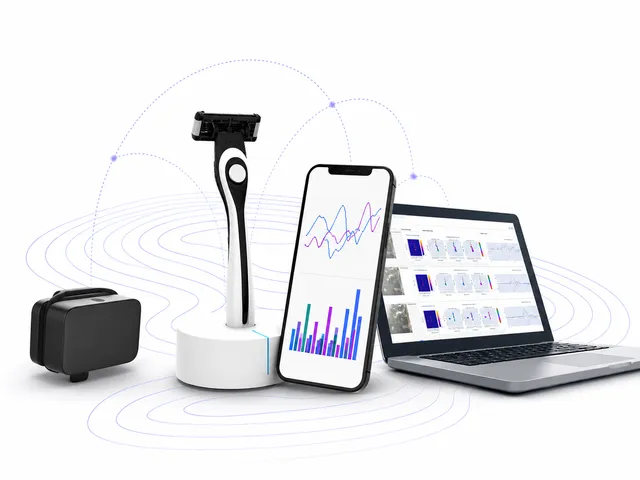
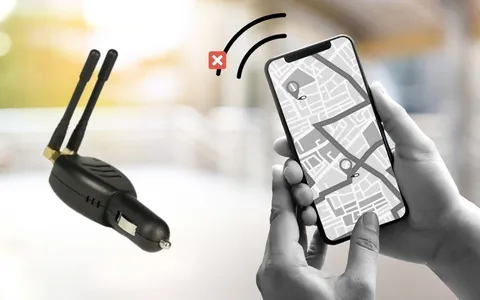
IoT connectivity refers to the various technologies and protocols that enable the communication and data exchange between Internet of Things (IoT) devices. These devices, which include GPS trackers, health monitors, smart home appliances, and industrial sensors, rely on efficient connectivity to perform their functions and deliver real-time data to users.
Importance of IoT Connectivity
The effectiveness of IoT devices largely depends on robust connectivity solutions. In the context of GPS tracking, IoT connectivity allows for precise location tracking, enabling pet owners to monitor their pets' whereabouts from anywhere in the world. Similarly, in pet health monitoring, consistent data transmission can provide vital information such as activity levels, heart rate, and more. This seamless flow of information is crucial for ensuring the devices operate effectively, providing meaningful insights, and enhancing user experience.
Types of IoT Connectivity
Cellular Networks
Cellular connectivity is commonly used in GPS trackers and pet health monitors, allowing devices to communicate over long distances using existing mobile networks. Devices equipped with cellular connectivity can send real-time location updates and health data directly to users’ smartphones or computers, making it convenient for pet owners or fleet managers to stay informed.
Wi-Fi
Wi-Fi is another prevalent form of IoT connectivity, particularly in home automation and health monitoring systems. Devices connected to Wi-Fi can leverage high-speed internet for data exchange, which is essential for tasks like streaming video feeds from a pet camera or syncing health data to cloud-based applications. However, Wi-Fi has limitations in range and mobility compared to cellular networks.
Low-Power Wide-Area Networks (LPWAN)
LPWAN technologies, such as LoRaWAN and Sigfox, provide a cost-effective solution for IoT devices that require long battery life and low data transmission needs. This type of connectivity is particularly beneficial for pet tracking devices that need to relay location information without frequently recharging, extending their usability while maintaining accurate tracking.
Conclusion
In summary, IoT connectivity encompasses a range of technologies that facilitate the communication between interconnected devices, playing a vital role in the functionality and user experience of GPS trackers, health monitors, and more. As IoT technology continues to evolve, advancements in connectivity options will further enhance the capabilities and effectiveness of these devices, providing users with valuable data and insights in real time.