




IoT data transmission
Definition
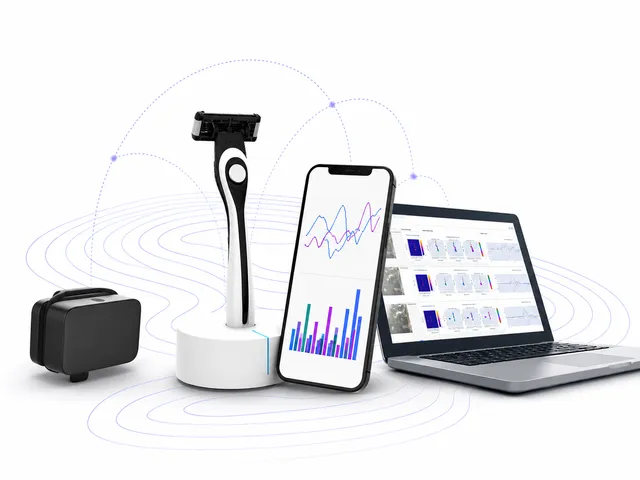
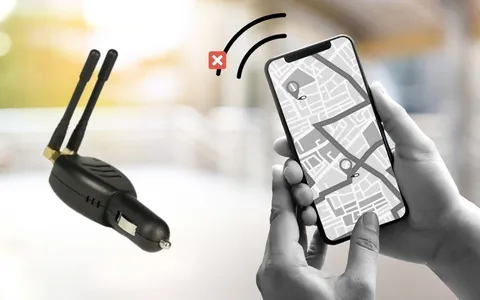
IoT data transmission refers to the process of sending and receiving data between internet-connected devices within the Internet of Things (IoT) ecosystem. This technology facilitates real-time communication among devices, enabling them to share data, analyze information, and perform actions based on their interconnectivity. In the context of GPS tracking, IoT data transmission allows devices such as trackers and monitors to relay precise location information and other operational data over the internet.
Importance in IoT
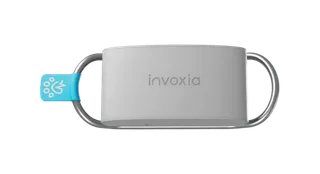
The efficiency of IoT data transmission is crucial for the seamless operation and functionality of IoT devices. It ensures that the information is transferred reliably and promptly, which is vital for applications requiring immediate responses. For instance, a GPS tracker for pets employs IoT data transmission to provide real-time location updates to pet owners through mobile applications. This ensures pet safety by allowing owners to locate their pets instantly if they stray from designated areas.
Protocols and Technologies
Several communication protocols are used in IoT data transmission, including Wi-Fi, Bluetooth, Zigbee, and cellular networks. Each protocol serves specific use cases based on factors such as range, power consumption, and speed. For example, GPS trackers often use cellular networks for wide-range connectivity, ensuring that users receive accurate location data even when they are far from the tracker.
Applications in GPS Tracking and Pet Monitoring
IoT data transmission plays a vital role in various applications, particularly in GPS tracking and pet health monitoring. In pet monitoring systems, continuous data transmission allows devices to collect and send information about the pet’s activity levels, health statistics, and location. This data can be analyzed to provide insights into the pet’s health and behavior, enabling owners to make informed decisions about care and wellness. In summary, effective IoT data transmission is essential for the functionality of IoT devices, enriching user experiences and enhancing the safety and well-being of pets.