




Sensor data transmission
Definition
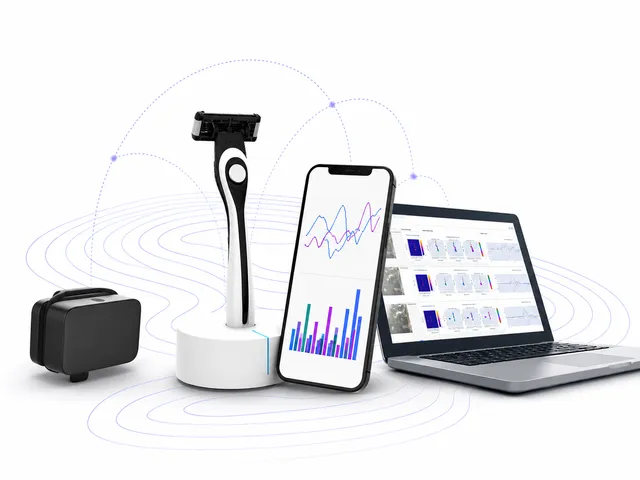
Sensor data transmission refers to the process of sending information collected by sensors to a receiving system for analysis, storage, or action. This transmission can involve various data types, including location, temperature, activity levels, and health metrics, depending on the application of the sensors. In the context of GPS trackers, IoT devices, and pet health monitors, sensory data transmission is crucial for real-time monitoring and decision-making.
Importance in GPS Tracking and IoT
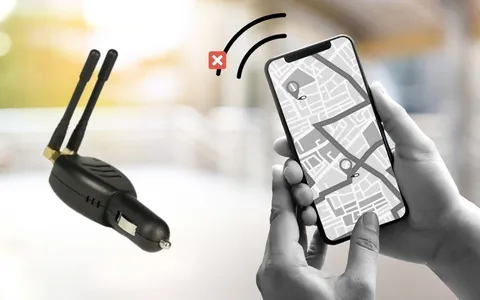
The effectiveness of GPS tracking and many Internet of Things (IoT) applications relies heavily on sensor data transmission. GPS trackers use satellite signals to capture location data, which is then transmitted through cellular networks or Wi-Fi to a central server. This data allows users to monitor the real-time location of vehicles, pets, or assets, enhancing security and improving logistics.
In IoT devices, sensor data transmission enables seamless interaction between devices and systems. For instance, a smart home system can collect and transmit temperature, humidity, and occupancy data, allowing for automated adjustments to heating and cooling systems. This connection simplifies daily routines while increasing energy efficiency.
Practical Applications
- Pet Monitoring: Devices like pet GPS trackers utilize sensor data transmission to keep dog and cat owners updated on their pet’s whereabouts. These devices track movements and send alerts to the owner's smartphone if the pet leaves a designated safe zone.
- Wearable Health Monitors: IoT-enabled health monitors for pets collect vital health metrics, such as heart rate and activity levels. This data is transmitted to pet owners or veterinarians, enabling proactive health management.
- Fleet Management: In logistics, sensor data transmission from GPS devices installed in fleet vehicles helps companies monitor delivery routes, optimize fuel consumption, and ensure timely arrivals.
Through efficient sensor data transmission, GPS and IoT devices enrich our understanding of environments, enhance operational efficiency, and improve the welfare of pets and loved ones.