




Signal strength
Signal strength refers to the measure of the power level of a transmitted signal as it travels through a medium, such as air or cables. In the context of GPS trackers, IoT devices, and pet health monitors, understanding signal strength is crucial for ensuring reliable communication and accurate operations.
Importance of Signal Strength
Signal strength directly impacts the performance of GPS and IoT devices. For instance, a strong signal allows for better accuracy in location tracking, ensuring that users can pinpoint their devices with precision. Conversely, weak signal strength may lead to inaccurate readings or delays in data transmission. In applications like pet monitoring, a reliable signal is essential to ensure that pet owners receive real-time updates about their pets' locations and health metrics, enhancing pet safety and well-being.
Measurement of Signal Strength
Signal strength is typically measured in decibels (dBm), which represents the power level relative to one milliwatt. The higher the dBm value, the stronger the signal. For GPS devices, a signal strength of -130 dBm indicates a very weak signal, while anything above -90 dBm is considered strong enough for reliable operation. Users can often monitor signal strength through the interface of their devices to troubleshoot connectivity issues.
Factors Affecting Signal Strength
Several factors can influence signal strength in GPS and IoT devices:
- Environmental Obstacles: Physical barriers such as buildings, trees, and other structures can weaken the signal between the device and the satellites or cellular towers.
- Distance: The farther the device is from the signal source, the weaker the signal will be. This is especially relevant for IoT devices that communicate over cellular networks.
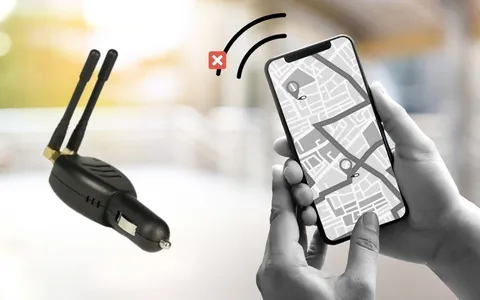
- Interference: Other electronic devices and signals, such as Wi-Fi networks and microwave ovens, can create interference, leading to reduced signal clarity.
In conclusion, maintaining optimal signal strength is critical for the effective use of GPS trackers, IoT devices, and pet health monitors, ensuring accurate data transmission and improved user experience.