

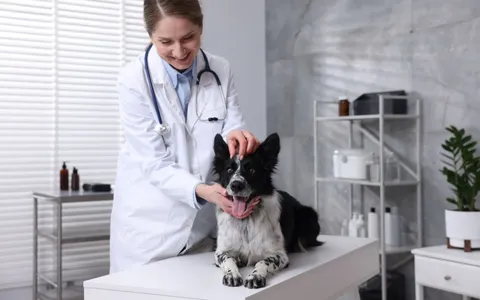

Hypothyroidismin dogs
Hypothyroidism, or an underactive thyroid, is a lack of thyroid hormones that slows down a dog’s whole body. It is one of the most common hormonal diseases in dogs, and its first signs are often mistaken for laziness or ageing.
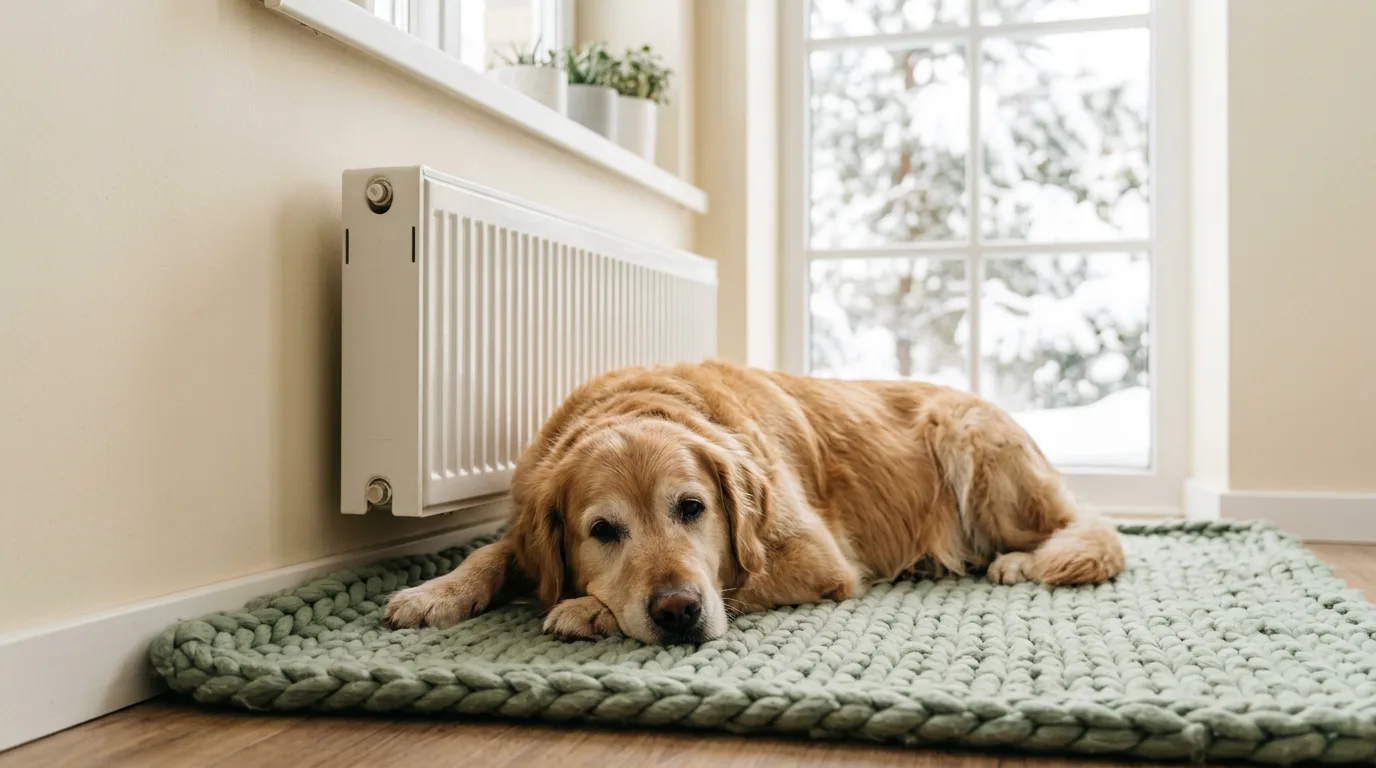
A dog that tires more quickly, gains weight without eating more or seeks out warmth deserves a check-up. Here are the signs to know, and what everyday monitoring can help you observe.



Biotracker:a tool for everyday monitoring
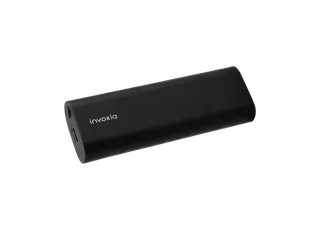
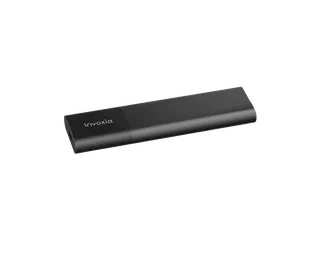
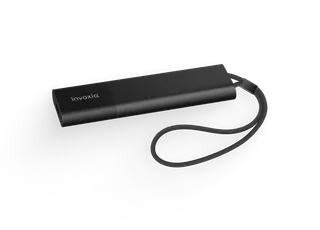
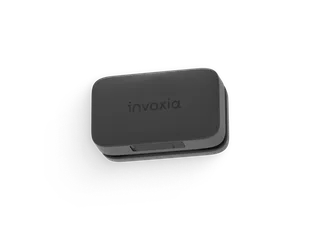
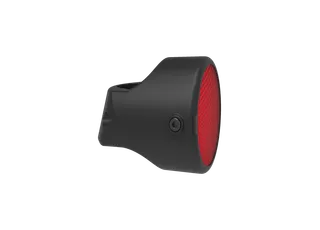
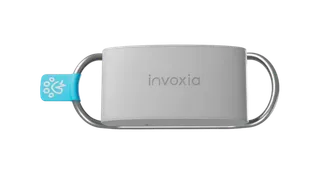
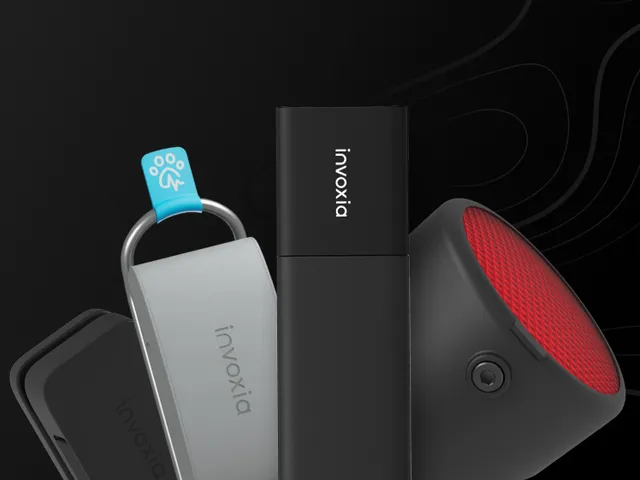
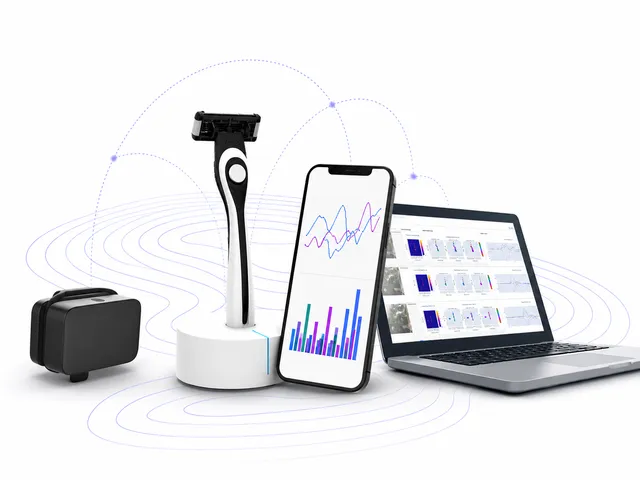
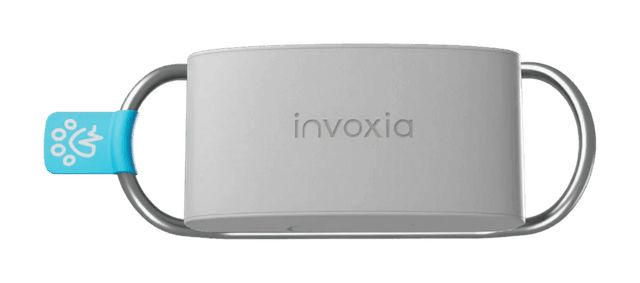
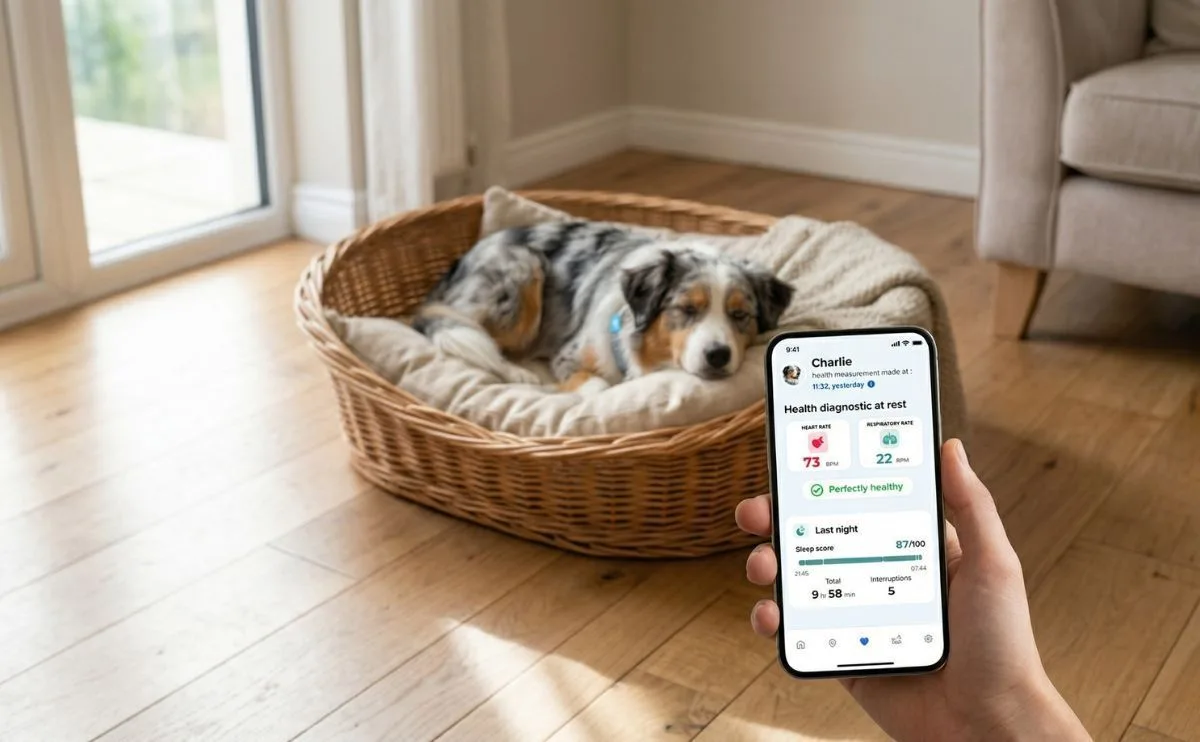
Biotracker records your dog’s heart and breathing rates at rest and during sleep, as well as their activity.
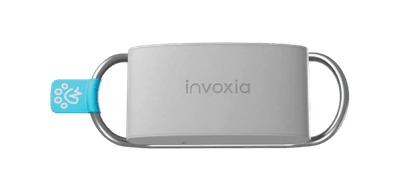
Biotracker
Everyday health monitoring
- Resting heart and respiratory rates
- Daily activity and sleep
- Up to 15 days of battery life
- Veterinary access through Biotrack
From
Discover
What everyday monitoringcan help you notice
Hypothyroidism develops slowly, over weeks or months. Biotracker keeps track of what changes, so nothing relies on memory. The daily report is included in Plus and Max GPS plans.
 Daily activity
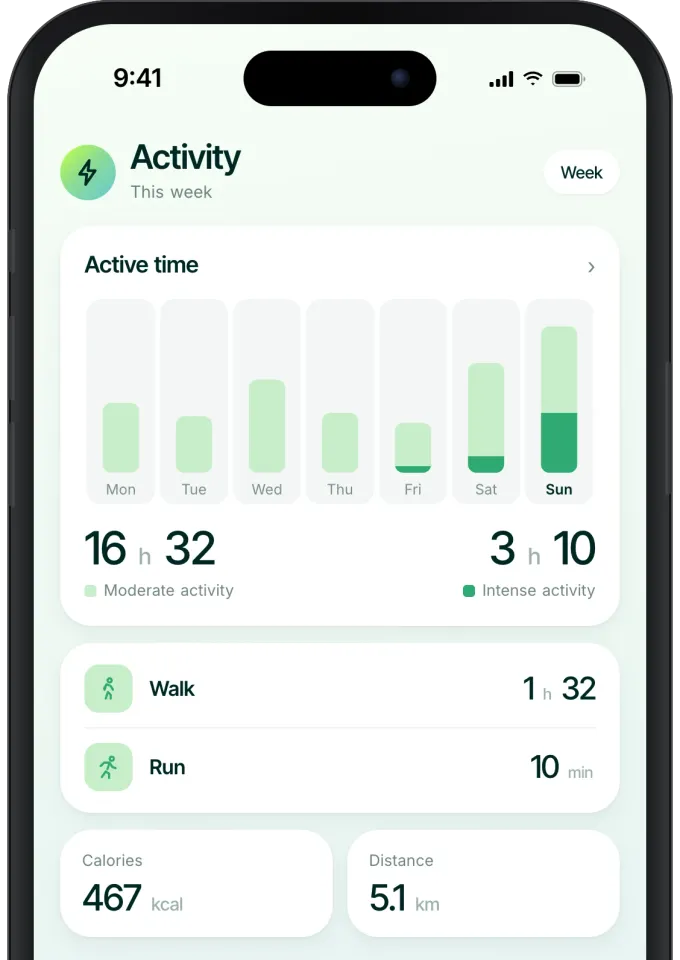
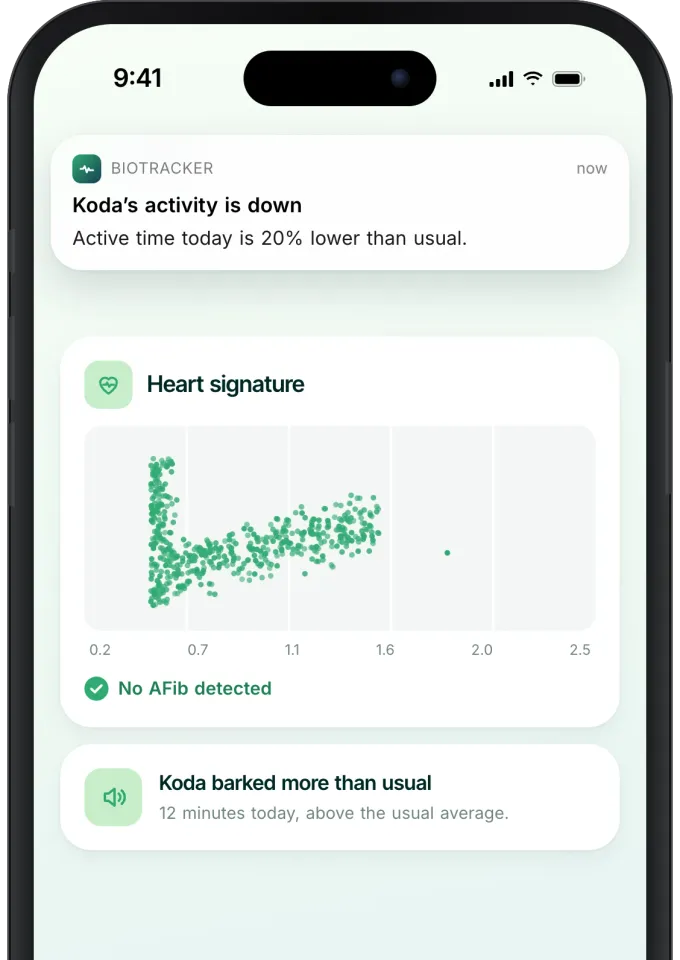
Active time, distance and intensity, compared day after day. A lasting drop shows up in the trends.
 Sleep and rest
Sleep duration and regularity. When a dog gradually sleeps more, the change often begins before anyone notices.
 Resting heart rate
A slower heart rate is one of the possible signs. Measured during sleep, it is easy to compare from one day to the next.
 Treatment follow-up
Once treatment has started, the history helps your vet see how your dog is progressing between check-ups.
From daily readingsto the vet appointment
Biotracker does not diagnose anything: it documents what happens between two appointments.
Measure every day
Activity, sleep, and resting heart and respiratory rates, recorded continuously without your dog having to stay still.
Build individual baselines
Day after day, the readings establish what is normal for your dog, not for their breed.
Flag a change
With Plus, also included in Max GPS, you are notified when their readings show a sustained departure from their usual patterns.
Share with your vet
Send a link so your vet can access the data on Biotrack, or download a PDF report before the visit.
Follow treatment
After diagnosis, the data helps your vet follow your dog’s response between follow-up blood tests.
Symptomsthat warrant a vet visit
Taken one by one, these signs seem harmless. It is the way they add up, and set in gradually, that should prompt a thyroid check.
None of these signs is enough for a diagnosis: only a blood test prescribed by your vet can confirm hypothyroidism.

Energy · Tiredness and lack of enthusiasm
They lag behind on walks, play less, sleep more and are reluctant to exert themselves, with no other obvious reason.

Weight · Weight gain, feeling the cold
They put on weight although their food portions and appetite have not changed, cope poorly with the cold and seek out sources of warmth.

Skin and coat · Dull coat, thinning patches
Dry or thinning coat, excessive shedding, hair that does not grow back after clipping, recurring skin or ear infections.
What causes hypothyroidismin dogs?
The thyroid, located in the neck, produces hormones that set the speed of the metabolism. When it produces too little, everything slows down: energy, weight, skin, heart. According to VCA, more than 90% of cases come from two causes, both of which damage the gland itself.

Autoimmune thyroiditis
The immune system attacks the thyroid and gradually destroys it. VCA describes it as a partly hereditary disease.

Thyroid atrophy
The gland tissue is gradually replaced by fat, with no identified cause.

Rarer causes
More rarely, thyroid cancer can be the cause.
Before and afterdiagnosis
Before: establish a baseline
Your dog is well, but approaching the age when the disease appears. Monitoring records their usual activity and sleep, so you can spot a slowdown as it sets in.
- Personal reference values, established while they are well
- A concrete reason to ask for a check-up if their habits change
After: follow treatment
Treatment is daily and lifelong, with regular blood tests. Monitoring documents the months between two check-ups.
- A history of their activity and sleep since treatment began
- Data to show your vet before each check-up
Follow your patients on treatment remotely
The owner sends you a link, giving you access to their dog’s data on the Biotrack platform so you can follow them between appointments. No prior equipment is required.
When should you haveyour dog’s thyroid checked?
Hypothyroidism most often appears between 4 and 10 years of age according to the MSD Veterinary Manual, and at around 6 to 7 years on average according to VCA. Once treatment has started, a first follow-up blood test takes place after about a month, then roughly every six months.
Put the numbers in context
These figures are a guide only. The MSD Veterinary Manual points out that hypothyroidism is often overdiagnosed: a single low result is not enough to draw a conclusion, and your vet decides how often check-ups take place.
Sources: VCA Animal Hospitals; MSD Veterinary Manual.
The breedsmost often affected
Hypothyroidism can affect any breed, as well as crossbreeds. The MSD Veterinary Manual lists several predisposed breeds, mostly medium to large in size. VCA also suggests it may be more common in neutered dogs.
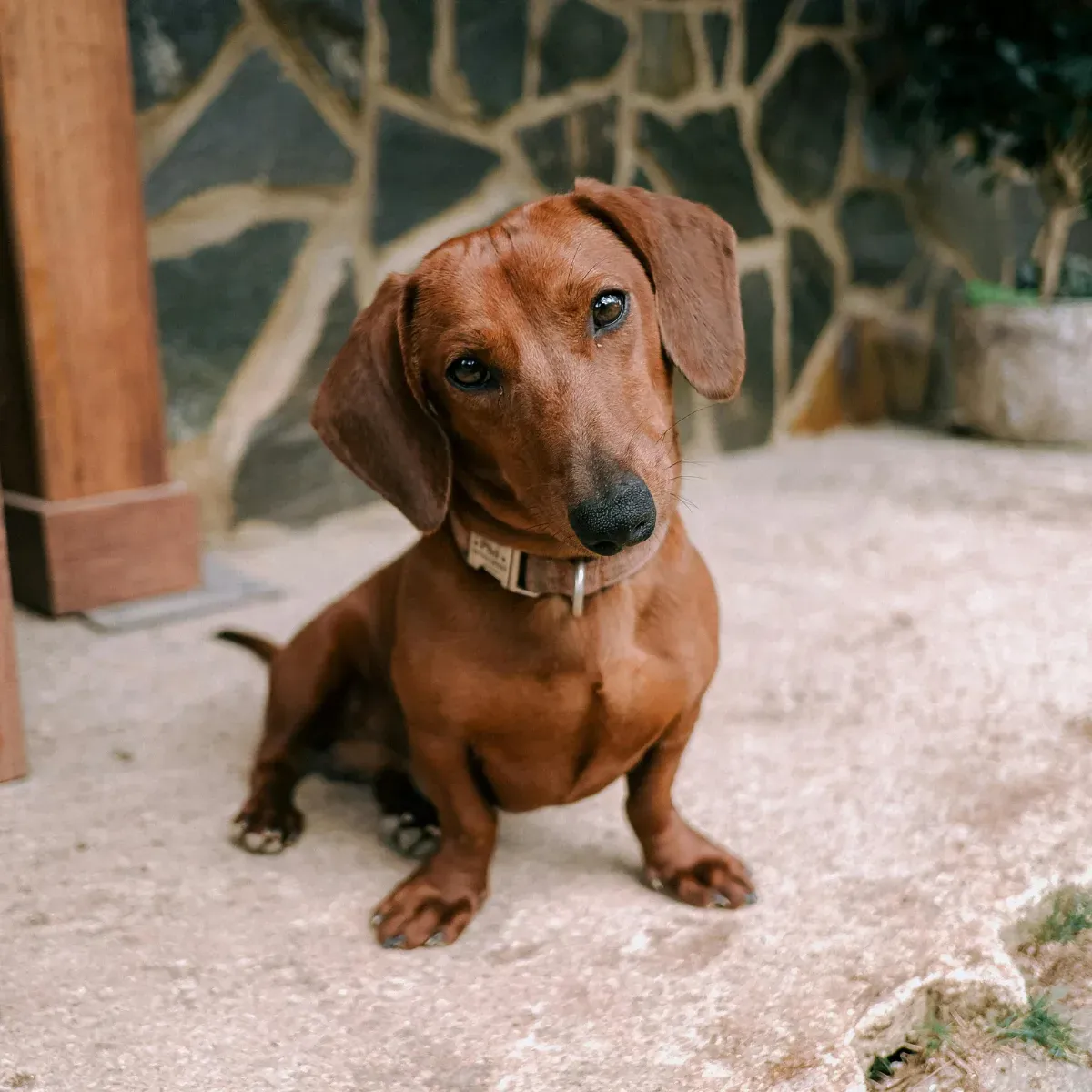
Dachshund: listed among the predisposed breeds, so unusual tiredness or weight gain deserves a check-up.
Listed among the predisposed breeds: keep an eye on their energy and the condition of their coat.
Listed among the predisposed breeds: recurring ear infections can be one of the signs.
Listed among the predisposed breeds: weight gain with no change in food portions is worth discussing.
Doberman: listed among the predisposed breeds, so a lack of enthusiasm that sets in should prompt a vet visit.
Listed among the predisposed breeds: a dull or thinning coat is a sign to report.
Diagnosis and treatment:veterinary care
Hypothyroidism cannot be cured, but it responds well to treatment. Diagnosis relies on an examination and blood tests.
Examine the dog
The vet reviews the signs, weight, skin and heart, and rules out other causes of tiredness.
Measure hormone levels
A blood test measures total thyroxine (T4). If it is low, a more specific test, free T4, confirms or rules out the disease.
Give the treatment
A synthetic thyroid hormone, levothyroxine, is given by mouth every day, for life. The dose depends on body weight.
Adjust the dose
Follow-up blood tests check that the dose is right. Too much hormone can make a dog restless, cause weight loss or increase thirst.
Hypothyroidism generally responds well to treatment: according to the MSD Veterinary Manual, treatment failure is rare. Energy often returns within about two weeks, while the skin and weight can take up to three months. Treatment is given every day, and needs change over time, hence the regular check-ups.
Biotracker is a monitoring tool: it does not measure hormones and does not replace the blood tests prescribed by your vet.
Your dog’s health,in one app.
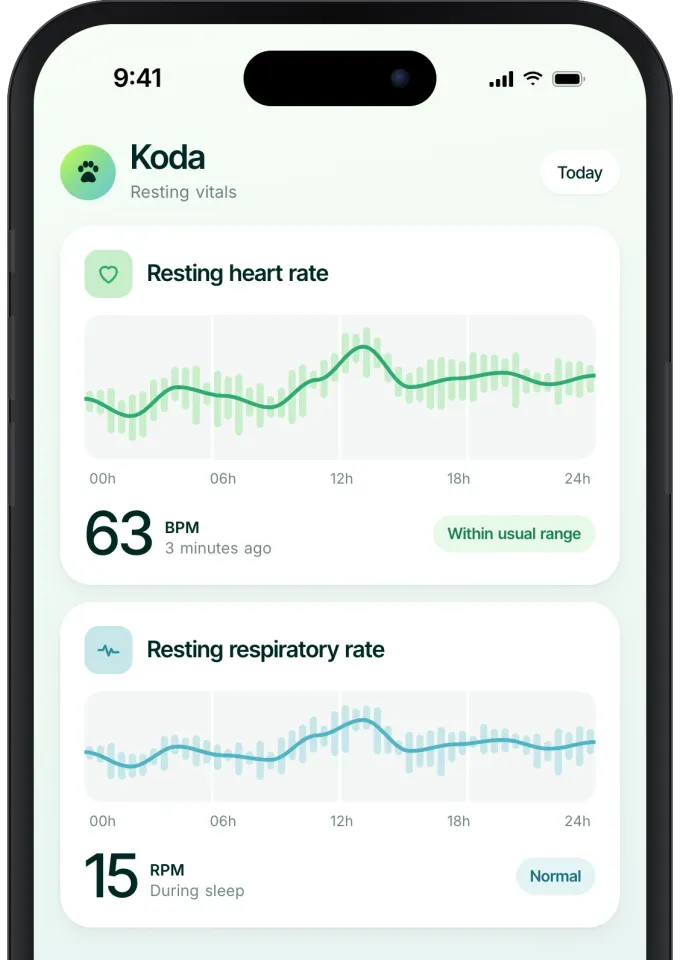
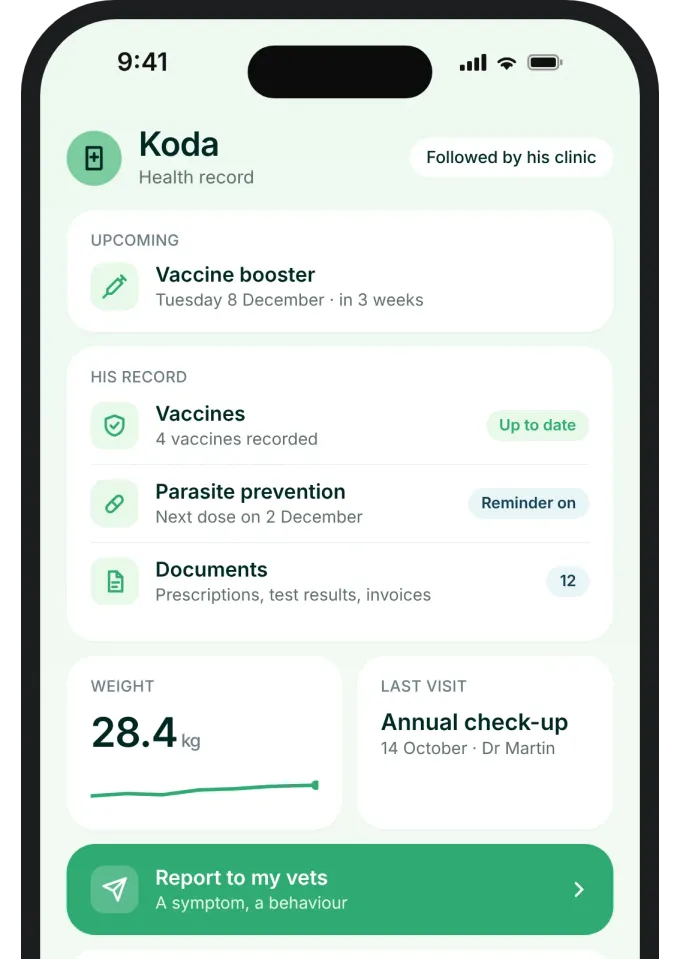
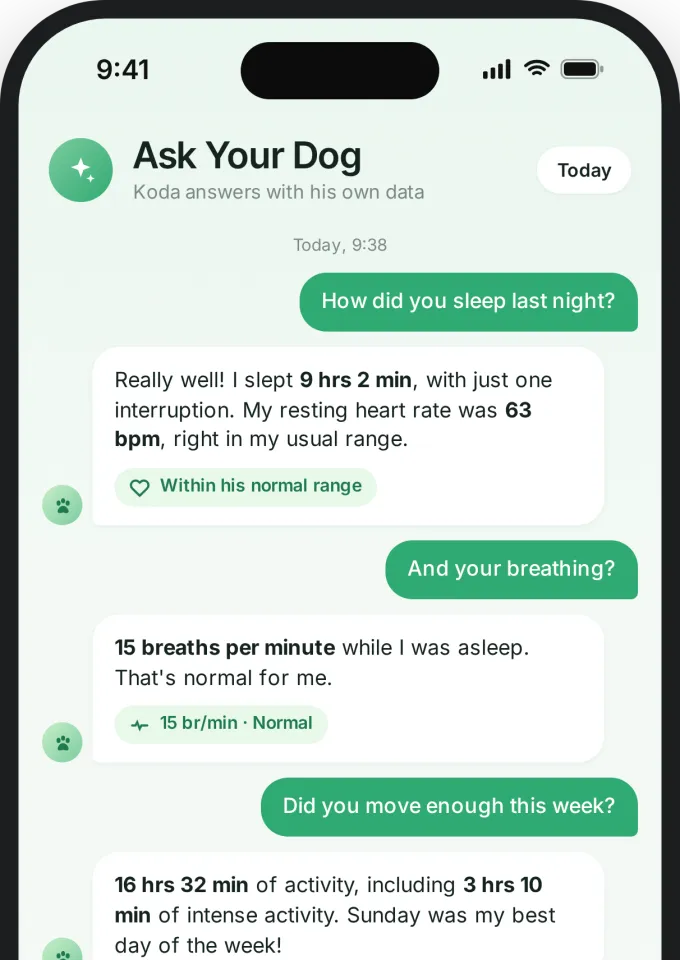
Resting vitals, activity, alerts, health record and Ask Your Dog bring your dog’s monitoring together in the app. Health alerts and Ask Your Dog are available only with Plus and Max GPS plans.


Read more aboutyour dog’s everyday health
How to Monitor Your Dog’s Health Daily?
Obese Dog: Causes, Risks, and Solutions to Prevent Excess Weight

Dog Shedding: Why It Happens and How to Support It Properly
All you need to know about your dog’s sleep: the new Biotracker feature is now available!
Hypothyroidism in dogs: frequently asked questions
Contact support
Most often tiredness, a reluctance to move and weight gain without eating more. These are followed by a dry or thinning coat, feeling the cold, and recurring skin or ear infections.
Most often between 4 and 10 years of age, at around 6 to 7 years on average. It can, however, appear earlier or later: unexplained tiredness or weight gain deserves a check-up at any age.
With a blood test that measures total thyroxine (T4) and then, if it is low, free T4. A low T4 on its own is not enough: other diseases can lower it, and hypothyroidism is often overdiagnosed.
No, but it responds very well to treatment. The dog receives a synthetic thyroid hormone every day, for life, and the dose is adjusted through regular blood tests.
Yes, once the treatment dose is right, often with a suitable diet and regular activity. Your vet will help you set a realistic target.
The dog may become restless, sleep poorly, lose weight or drink more. Report these changes to your vet, who will adjust the dose.
Not necessarily: older or short-coated dogs often cope less well with the cold. But a new sensitivity to cold, together with tiredness, weight gain or a dull coat, is one of the signs of hypothyroidism. Talk to your vet about it.
No. It measures activity, sleep, and resting heart and respiratory rates, and flags departures from your dog’s usual patterns. Only a blood test prescribed by your vet can confirm hypothyroidism.
A sustained change from your dog’s own readings, rather than a threshold shared by all dogs. Health alerts are included in Plus and Max GPS plans.
Keep an eye on their energyevery day
Biotracker follows their activity, sleep and resting vitals, day after day, and helps you spot changes from their usual patterns.
Biotracker is a monitoring device, not a diagnostic tool. It does not replace a clinical examination or the tests prescribed by your vet.