




Heart arrhythmiasin dogs
An arrhythmia is a disturbance of the heart's rhythm: the heart beats too fast, too slowly or irregularly. Some are harmless, such as the variations linked to breathing, while others can cause collapse or put a strain on the heart.
They often go hand in hand with heart disease, but not always. Here are the main rhythm disorders, the signs that should prompt a vet visit, and what tracking the resting heart rate can show.




Biotracker:an everyday monitoring tool
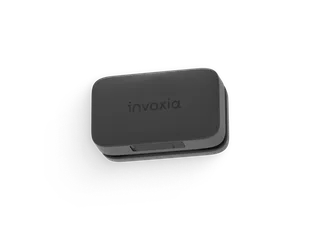
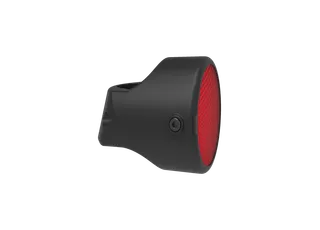
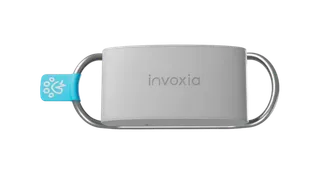
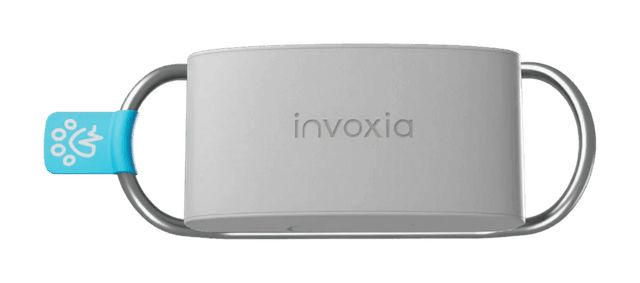
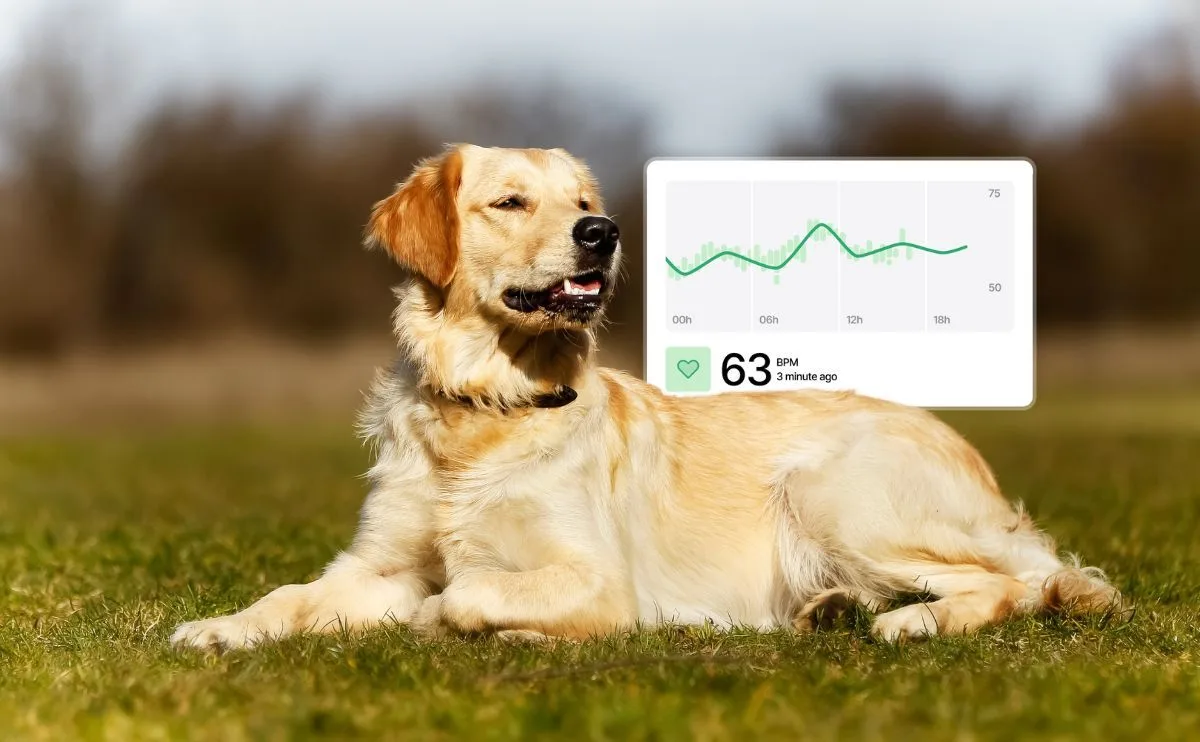
Biotracker records your dog's heart and respiratory rates at rest and during sleep, along with their activity.
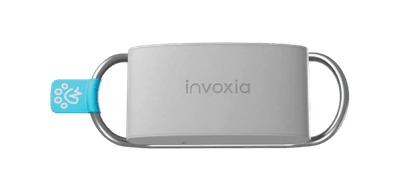
Biotracker
Everyday heart monitoring
- Resting heart and respiratory rates
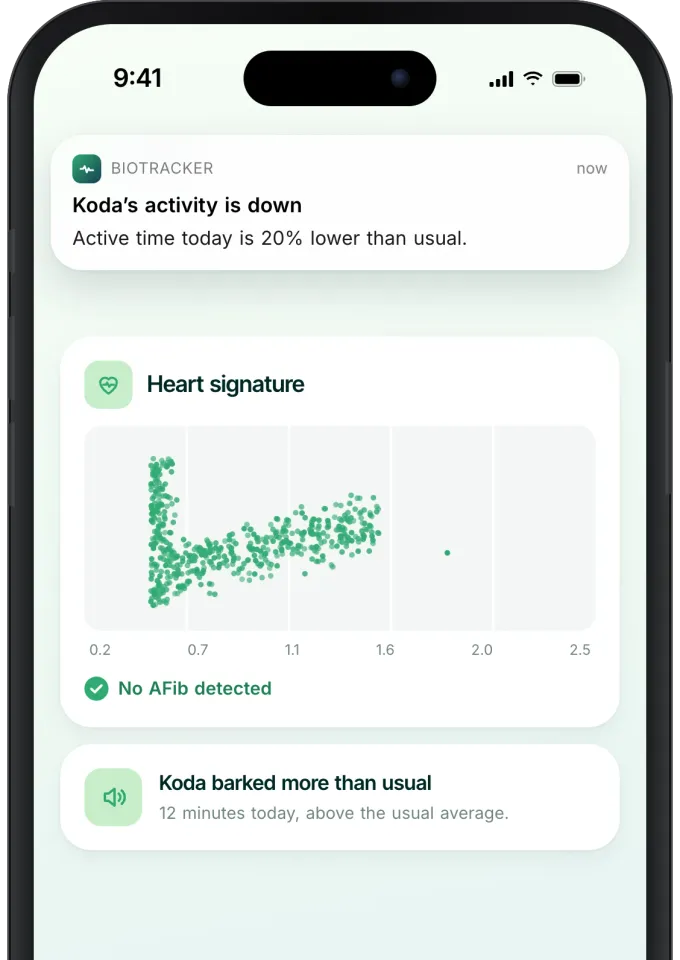
- Atrial fibrillation (AFib) risk detection
- Day-to-day trends, beyond a single reading
- Up to 15 days of battery life
- Data your vet can access through Biotrack
From
Discover
What everyday monitoringcan help you spot
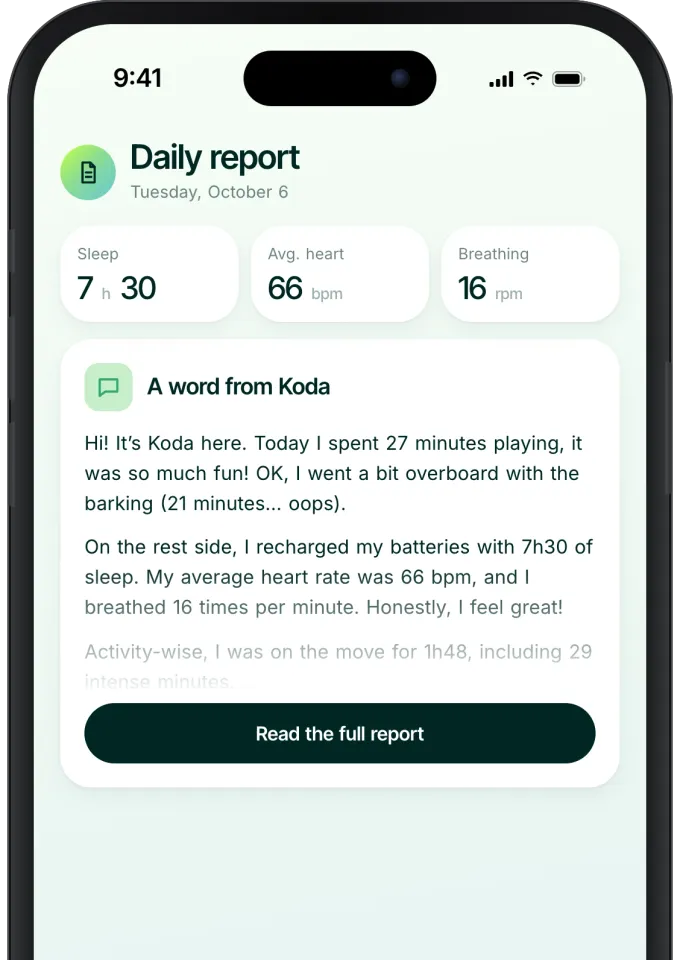
A rhythm disorder can come and go, and be missed during a consultation. Biotracker documents the resting heart rate between two visits. The daily report is included in the Plus and Max GPS plans.
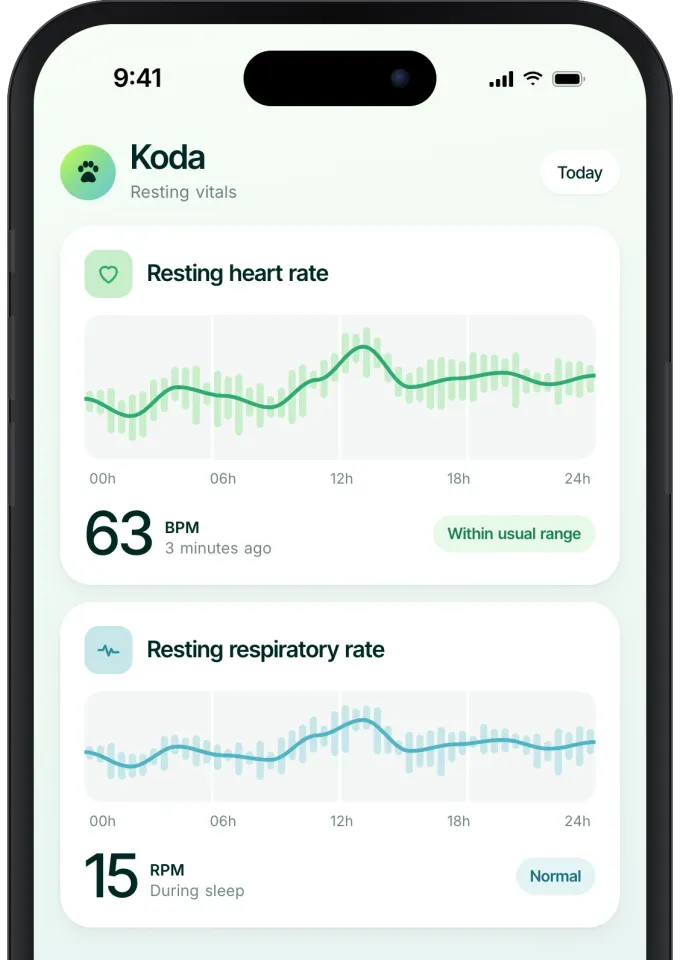
 Resting heart rate
Measured during sleep, when readings are most comparable from one day to the next, and compared with your dog's own values. Biotracker also estimates the risk of atrial fibrillation (AFib).
 Respiratory rate
Recorded automatically at rest: a lasting rise can accompany progressing heart disease.
 Activity and stamina
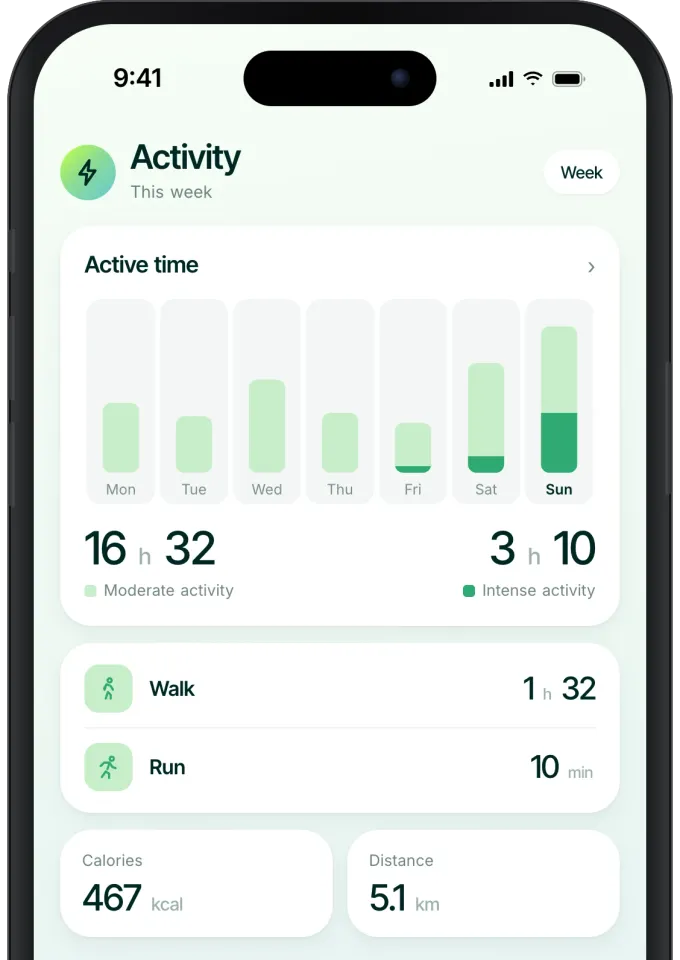
A dog that tires more quickly or stops earlier on walks shows it in their activity.
 Veterinary report
If your clinic uses Biotrack, it can view trends remotely. Otherwise, download a PDF report before the visit.
From daily readingsto your vet appointment
Biotracker does not make a diagnosis and replaces neither an ECG nor a Holter. It documents what happens between two consultations.
Measure at rest
Heart and respiratory rates recorded during rest and sleep, with no skin contact or shaving.
Build a personal baseline
The readings establish what is normal for your dog, based on their size, age and habits.
Flag a lasting change
Alerts respond to a sustained change from these baselines, never a generic threshold. Alerts are included in the Plus and Max GPS plans.
Share with your vet
Through the Biotrack platform, or a PDF downloaded from the app, to complement the ECG or Holter.
Monitor treatment
Once treatment is prescribed, changes in the resting heart rate help your vet follow how your dog responds.
Signs that meanit is time to see your vet
Many arrhythmias cause no signs at all. When they do, it is because the heart is pumping blood less effectively.
It is an emergency if your dog collapses, loses consciousness, struggles to breathe or has pale or bluish gums: contact your vet or an emergency veterinary service immediately.

Energy · Weakness and fatigue
Your dog seems low, tires quickly, stops earlier on walks or refuses efforts they used to manage easily.

Emergency · Fainting or collapse
Loss of balance, sudden collapse or a brief loss of consciousness, even if your dog recovers quickly.

Breathing · Breathlessness and coughing
Breathlessness, coughing, faster breathing at rest and, at an advanced stage, sometimes a swollen belly.
What causes arrhythmiain dogs?
The heart's rhythm is controlled by electrical impulses. When they start in the wrong place, travel poorly or race out of control, the heart beats too fast (tachycardia), too slowly (bradycardia) or irregularly. Not every variation is abnormal: in dogs, the rhythm normally changes with breathing.
Heart disease, in most cases
Mitral valve disease, dilated cardiomyopathy: arrhythmias, including atrial fibrillation, often complicate a heart that is already diseased (VCA).

A genetic origin
Some breeds are predisposed, such as the Boxer with its arrhythmogenic cardiomyopathy, which can cause fainting (PetMD).

A cause outside the heart
Anaemia, infection, poisoning, trauma, a hormonal disease such as hypothyroidism or a parasite such as heartworm can also disrupt the rhythm (PetMD).

The main rhythm disorders
Tachycardia (heart too fast), bradycardia and heart block (heart too slow), premature beats (extra beats), atrial fibrillation (fast, chaotic rhythm).
Before and after diagnosis
Before: know their usual heart rate
Your dog belongs to a predisposed breed or has heart disease without symptoms. Knowing their resting heart rate while they are well gives you a point of comparison.
- • Personal baseline values, established before anything changes
- • An objective reason to bring a check-up forward if they drift
After: follow the treatment
The arrhythmia has been diagnosed and treatment has started. Check-ups are spaced out: monitoring documents the weeks in between.
- • A continuous history of the resting heart rate
- • A report to send before each follow-up ECG or Holter
Monitor your cardiac patients remotely
The owner sends you a link: you access their dog's data on the Biotrack platform and follow it between appointments. No prior equipment is required.
What is a normalresting heart rate for a dog?
It varies mainly with size and age. The AI-COLLAR study, conducted with Prof. Valérie Chetboul, followed 703 apparently healthy dogs at home and at rest over several months. Its reference values are lower than the ranges usually measured at the vet's, where stress speeds up the heart.
Figures to read in context
| Dog profile | Median resting heart rate |
|---|---|
| Small dog (10 kg or less) | 65.0 bpm |
| Medium dog (10 to 20 kg) | 62.1 bpm |
| Large dog (over 20 kg) | 59.5 bpm |
| Senior dog | 68.7 bpm |
| Puppy | 78.5 bpm |
These medians are not diagnostic thresholds. Every dog has their own heart rate: what matters is how it changes compared with their usual values. Only an ECG or a Holter can characterise a rhythm disorder.
Sources: AI-COLLAR study (Prof. Valérie Chetboul, ENVA); PetMD; VCA Animal Hospitals.
Breedsmost often affected
Any dog can develop an arrhythmia, most often because of heart disease. Size matters: atrial fibrillation affects large and giant breeds almost exclusively, while some small dogs are predisposed to a heart that beats too slowly.
Other large breeds, such as the Rottweiler and the Bernese Mountain Dog, are also cited for atrial fibrillation.
Sources: VCA Animal Hospitals; PetMD; Merck Veterinary Manual; Société Centrale Canine.
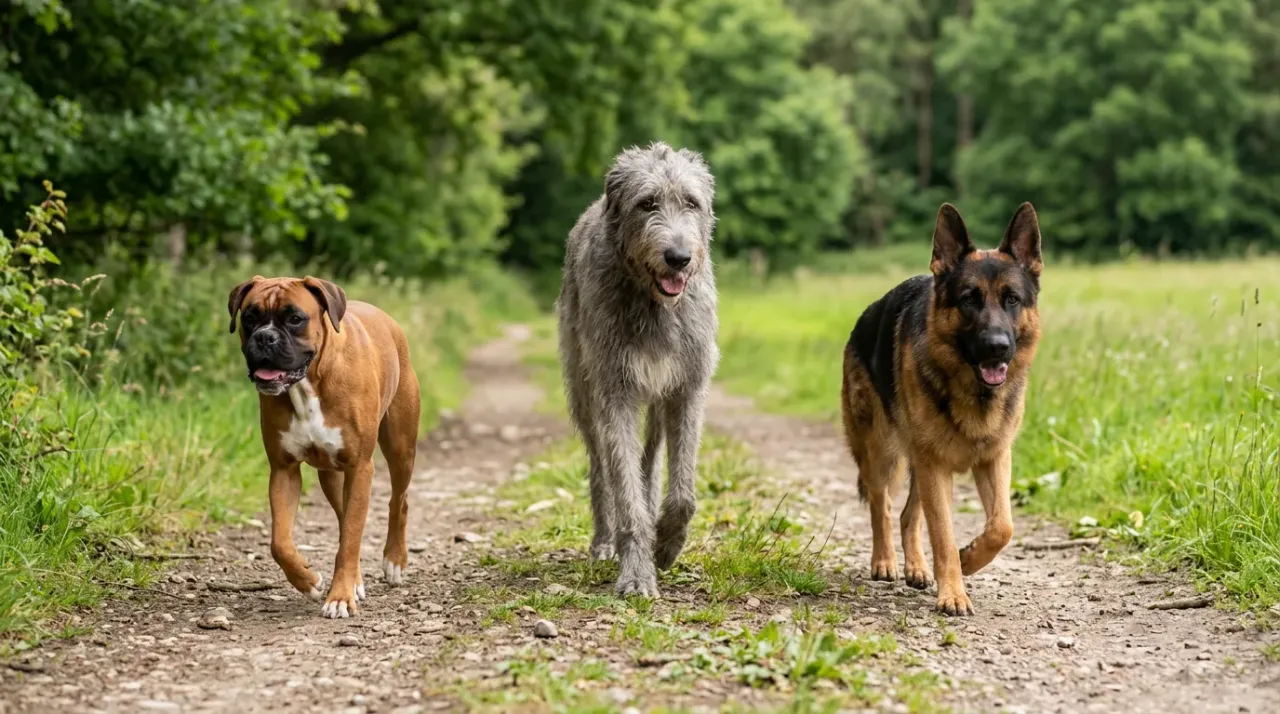
The Boxer is the reference breed for arrhythmogenic right ventricular cardiomyopathy: extra beats, sometimes with no signs at all, sometimes with fainting.
In the Doberman, rhythm disorders are often the first sign of dilated cardiomyopathy, which atrial fibrillation can complicate.
The most studied breed for atrial fibrillation, which often occurs on its own here, without any other heart disease.
Two giant breeds in which atrial fibrillation has been described, either alone or linked to dilated cardiomyopathy.
The German Shepherd is affected by atrial fibrillation, and by inherited ventricular arrhythmias in young dogs.
The Miniature Schnauzer and the West Highland White Terrier are predisposed to sick sinus syndrome: a heart that beats too slowly, with pauses that can cause fainting.
Diagnosis and treatment:veterinary care
The vet first identifies the rhythm disorder, then its cause, which guides treatment.
Listen to the heart
Examining the heart, lungs and pulse often reveals an abnormal rhythm or a pulse that does not match the heartbeats.
Record the rhythm
An electrocardiogram (ECG) identifies the disorder. A Holter monitor, worn for 24 hours, captures arrhythmias that do not occur during the consultation.
Look for the cause
Echocardiography, X-rays and blood tests look for heart disease or a cause outside the heart.
Treat
Depending on the disorder: medication to slow or regulate the rhythm, treatment of the cause and, in some cases, a pacemaker.
The outlook depends on the disorder and its cause. Respiratory sinus arrhythmia is normal. Others can be well controlled with treatment, and many dogs live for a long time with managed atrial fibrillation (VCA). Some forms, particularly genetic ones, require lifelong monitoring.
Why do AFib alerts matter? Atrial fibrillation can complicate heart disease and make an already weakened heart less efficient. Biotracker AFib alerts flag a risk between appointments: a reason to contact your vet without delay. A Biotracker signal must always be confirmed by an ECG.
Biotracker is a monitoring tool: it does not make a diagnosis and replaces neither an ECG nor a Holter. If your dog collapses, do not wait for an alert.
All your dog's health,in one app.
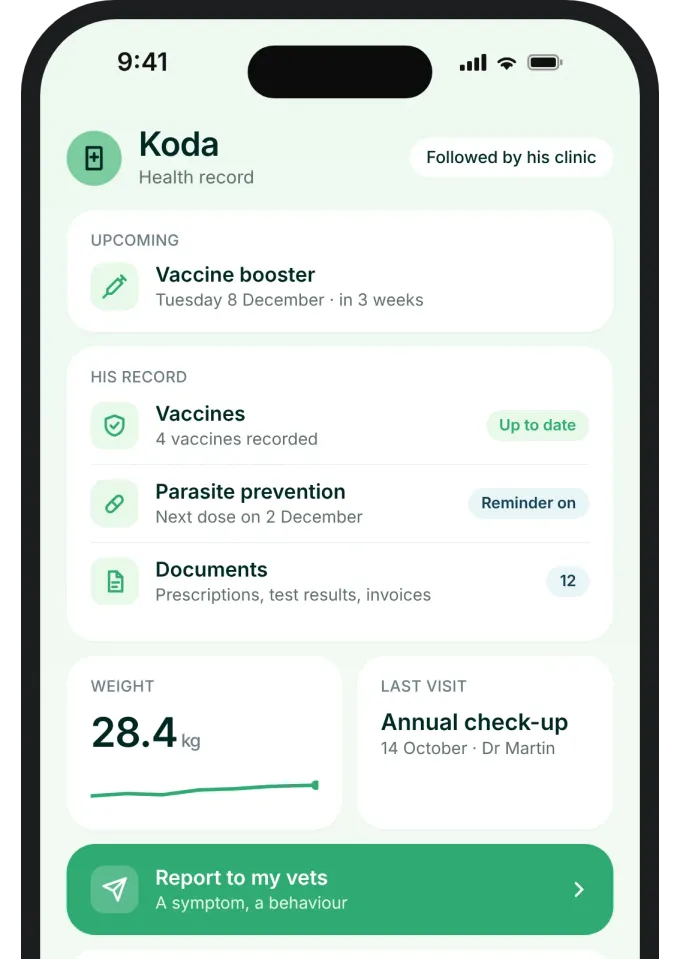
Resting vital signs, long-term trends, alerts, veterinary report and health record: follow your dog's heart on iOS and Android. Alerts and the daily report are included in the Plus and Max GPS plans.


Our articles ondog heart health

Atrial Fibrillation in Dogs: Symptoms, Causes, and Monitoring
Normal Dog Heart Rate: Resting BPM Chart by Size
Dog Heart Monitoring at Home: The Complete Guide

Doberman and Dilated Cardiomyopathy: Early Detection to Act in Time
FAQ: heart arrhythmias in dogs
Contact support
A disturbance of the heart's rhythm: it beats too fast, too slowly or irregularly. Some are harmless, others need treatment. Only an ECG can identify them.
Not necessarily abnormal: in dogs, the heart speeds up when breathing in and slows down when breathing out. This is sinus arrhythmia, which is common and rarely a concern. Your vet can tell the difference by listening to the heart.
A heart that beats faster than normal at rest. It can be caused by pain, fever, anaemia or heart disease. Tachycardia at rest that persists should be seen by a vet.
A heart that beats more slowly than normal. It can be normal in an athletic dog at rest, or result from a conduction block or a hormonal disease. If it comes with fainting, see a vet promptly.
Often none. Otherwise, weakness, tiring during exercise, breathlessness, coughing, pale gums and sometimes fainting or loss of consciousness.
By listening to the heart, then with an electrocardiogram. A 24-hour Holter records intermittent disorders. Echocardiography and blood tests look for the cause.
It depends on the disorder and its cause. Many can be controlled with medication or by treating the cause; some conduction disorders require a pacemaker.
It estimates the risk of atrial fibrillation (AFib), but does not make a diagnosis. It also measures resting heart and respiratory rates and flags changes from your dog's usual patterns. Only an ECG or a Holter, interpreted by a vet, can diagnose a rhythm disorder.
Contact your vet without delay and share the Biotracker data with them. The AFib alert estimates a risk; it does not replace a diagnosis, which requires an ECG. If your dog collapses, loses consciousness or has difficulty breathing, contact an emergency veterinary service immediately.
A sustained change from your dog's own values, rather than a threshold shared by all dogs. Health alerts are included in the Plus and Max GPS plans.
Know your dog's heart rateat rest
Biotracker follows your dog's heart and respiratory vital signs day after day, and helps you spot what departs from their usual patterns. Alerts and the daily report are included in the Plus and Max GPS plans.
Biotracker is a monitoring device, not a diagnostic tool. It replaces neither a clinical examination, nor an electrocardiogram, nor a Holter.