




Data downlink
Definition
A data downlink refers to the process of transmitting data from a satellite or a remote device, such as a GPS tracker or IoT device, back to a ground station or user interface. In the context of GPS tracking and IoT applications, the downlink is essential for relaying critical information about location, status, and other telemetry from the device to the end-user, allowing for real-time monitoring and management.
Importance in GPS Tracking
In GPS tracking systems, the data downlink is crucial for effective navigation and asset management. As GPS trackers continuously gather data about their location and movements, the efficient transfer of this data ensures that users can receive up-to-date information about their vehicles, pets, or valuable assets. For instance, pet health monitors utilize data downlinks to provide pet owners with timely updates about their pet's activity levels, location, and any health-related alerts.
Practical Applications
Data downlinking is not only vital for GPS and pet monitoring but also plays a significant role in various IoT applications. Devices that track environmental conditions, like smart weather stations, rely on data downlinks to send real-time weather information and alerts to users. This capability enhances decision-making for both personal and commercial purposes, such as optimizing delivery routes in logistics or monitoring asset conditions in agriculture.
Challenges and Considerations
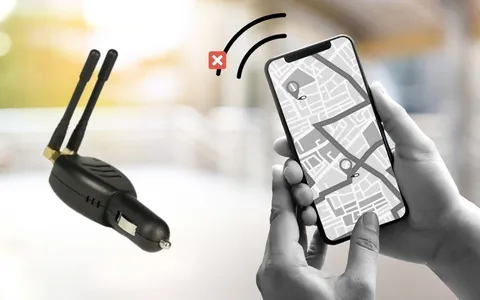
Despite its importance, data downlinking comes with challenges. Environmental factors, such as signal interference and bandwidth limitations, can affect the reliability of data transmission. Manufacturers of GPS trackers and IoT devices must carefully design their systems to optimize data downlink performance, ensuring that users receive accurate and timely information. Additionally, security measures must be implemented to protect transmitted data from unauthorized access or tampering, which is increasingly important in a connected world where personal and pet safety is a priority.
By understanding the intricacies of data downlinks in GPS tracking and IoT systems, users can better appreciate the technology behind their devices and the value they provide in enhancing safety and convenience.