



Equipment tracking
Equipment tracking is the practice of monitoring the location, usage and status of tools, devices and machinery in real time using technologies such as GPS (Global Positioning System) and the Internet of Things. By attaching a connected tracker to each valuable item, businesses always know where their assets are, how they are being used, and when they need attention — cutting the risk of loss, theft and unplanned downtime.
How equipment tracking works
An equipment tracking system combines three elements: a tracking device fixed to the asset, a wireless network that carries the data, and a software platform that turns raw positions into insight.
- Positioning — Outdoors, trackers rely on GNSS satellite signals to compute a precise location. Indoors, where satellite signals are weak, systems fall back on indoor positioning methods such as Wi-Fi or Bluetooth.
- Connectivity — Low-power cellular networks (LTE-M, NB-IoT) or Bluetooth Low Energy send position and sensor data back to the cloud, often for years on a single charge.
- Telemetry — Beyond location, modern trackers report movement, shocks, temperature and battery level through telemetry, giving a full picture of each asset's condition.
Why equipment tracking matters
Effective tracking delivers value across construction, transportation, healthcare, rental and field-service industries. Organizations use it to:
Enhance asset management
Continuous visibility lets teams maintain an accurate inventory of tools and machinery — what is in use, where it is, and when it is due for maintenance. This streamlines operations, reduces idle equipment, and avoids the cost of replacing items that were simply misplaced. It is a cornerstone of modern asset management and asset monitoring.
Improve security and recovery
Real-time GPS location means a stolen or misused asset can be located and recovered quickly. Geofencing alerts — powered by geofencing rules — warn managers the moment equipment leaves an authorized site or moves outside working hours.
Maximize utilization
Usage data reveals which machines are over- or under-used, helping companies right-size their fleet, plan preventive maintenance, and improve return on investment.
Applications of equipment tracking
- Construction — Track excavators, generators and power tools across job sites to prevent delays and theft of high-value plant.
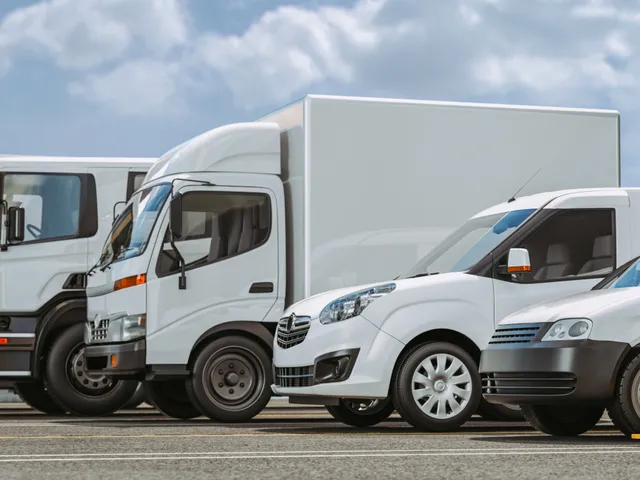
- Transportation & logistics — Monitor trailers, containers and delivery vehicles in real time to optimize fleet tracking and route planning.
- Rental & field service — Know exactly which customer holds which asset, automate billing by usage, and recover overdue equipment.
- Healthcare — Locate mobile medical devices instantly so critical tools are always available.
Equipment tracking with Invoxia
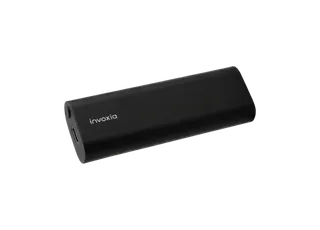
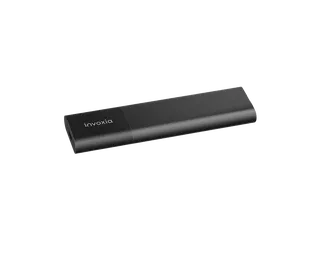
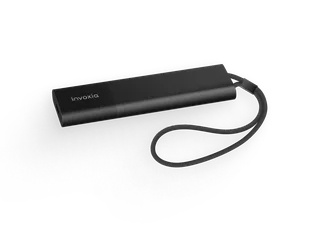
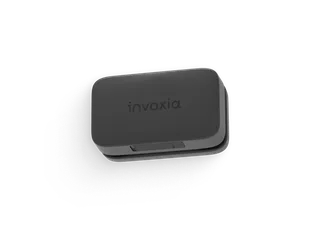
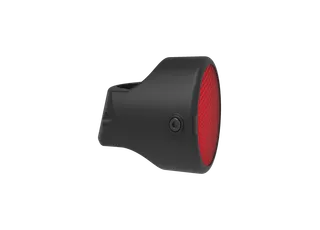
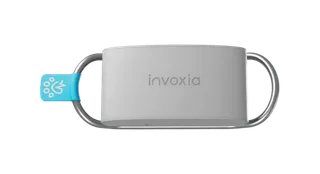
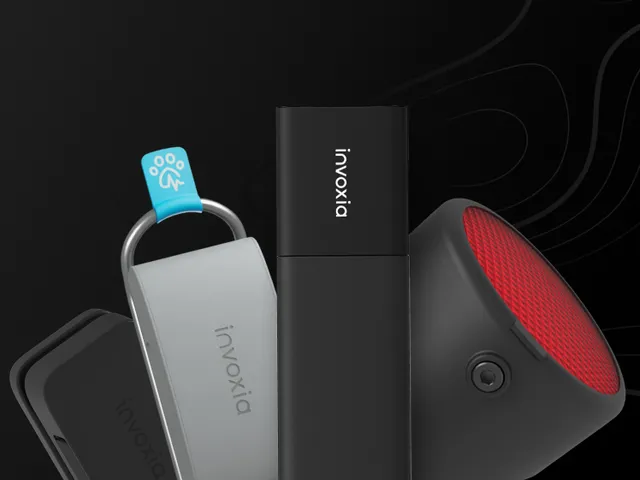
Invoxia designs compact, long-life GPS trackers built for exactly this challenge. Their low-power cellular connectivity keeps high-value tools, trailers and machinery visible for weeks or months between charges, with instant movement and geofence alerts delivered to a smartphone. The same technology that keeps assets safe also powers Invoxia's pet trackers, applying industrial-grade mobile asset tracking to the things — and companions — that matter most.
Frequently asked questions
What is the difference between equipment tracking and asset tracking?
The terms overlap heavily. Asset tracking is the broader discipline of monitoring any valuable item, while equipment tracking specifically targets tools, machinery and hardware used in operations. Both rely on the same GPS and IoT foundations.
How accurate is GPS equipment tracking?
Outdoor GPS/GNSS tracking is typically accurate to within a few meters. Indoors, accuracy depends on the indoor positioning technology used, such as Bluetooth beacons or Wi-Fi triangulation.
How long does the battery on an equipment tracker last?
It depends on how often the device reports its position. Low-power devices using LTE-M or NB-IoT can run for months or even years, whereas trackers reporting every few seconds need more frequent charging.
Does equipment tracking work without a network connection?
A tracker still records positions offline, but it needs a cellular, Wi-Fi or Bluetooth connection to send that data to the cloud. Coverage-optimized IoT networks are designed to maximize reporting even in remote areas.