




GNSS
GNSS stands for Global Navigation Satellite System — the umbrella term for the satellite constellations that provide autonomous geo-spatial positioning across the planet. With a GNSS receiver, any device can determine its exact latitude, longitude and altitude, making the technology the foundation of GPS tracking, Internet of Things devices, navigation systems and pet trackers.
GPS vs GNSS: what's the difference?
People often say "GPS" when they mean GNSS. GPS is the United States' satellite system and the most famous, but it is only one of several. GNSS is the broader category that includes them all:
- GPS — United States
- GLONASS — Russia
- Galileo — European Union
- BeiDou — China
A multi-constellation GNSS receiver can listen to several of these systems at once, which improves accuracy and reliability — especially in cities where buildings block part of the sky.
How GNSS works
Each satellite continuously broadcasts a signal stamped with the precise time it was sent. A GNSS receiver picks up signals from multiple satellites and measures how long each took to arrive. By comparing these tiny time differences, it calculates its distance from each satellite and triangulates its position. At least four satellites are needed for accurate 3D positioning (latitude, longitude and altitude). Combining constellations sharpens this to a few meters — the basis of everyday GPS accuracy and satellite positioning.
Applications of GNSS
GPS tracking
GNSS delivers the real-time location data that lets users follow the whereabouts of vehicles, assets or pets — essential for recovery after theft, safe transport, and peace of mind.
IoT and connected devices
In IoT, GNSS powers geofencing, location-based services and outdoor navigation. Connected trackers report their position over low-power networks, updating owners the moment an asset or pet moves.
Where GNSS struggles
Satellite signals weaken indoors and in dense urban canyons. There, GNSS is complemented by indoor positioning techniques such as Wi-Fi and Bluetooth to maintain a continuous location.
GNSS and Invoxia trackers
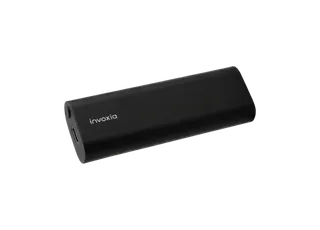
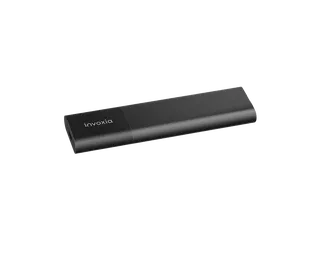
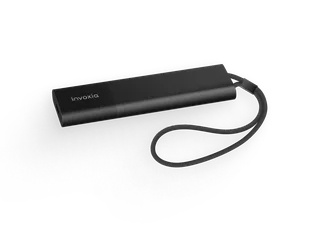
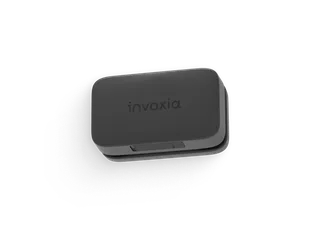
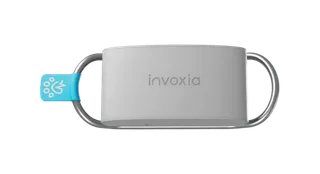
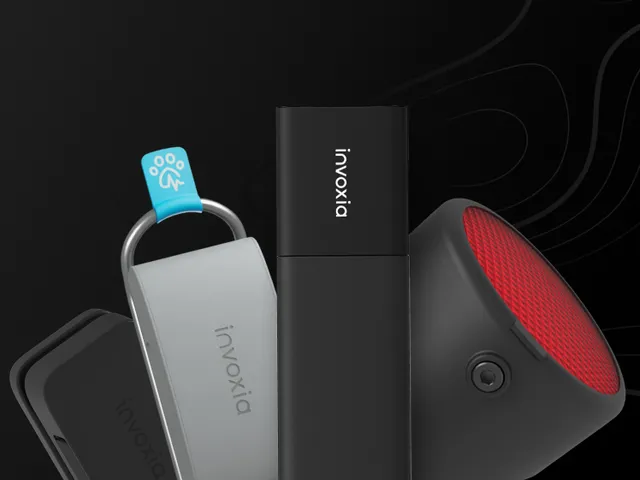
Invoxia's GPS trackers use GNSS to locate pets, vehicles and valuables outdoors, then pair it with smart low-power connectivity so the device stays online for weeks between charges. Understanding GNSS explains why a tracker performs best under open sky and why accuracy naturally varies with the environment.
Frequently asked questions
Is GPS the same as GNSS?
No. GPS is one specific satellite system (operated by the United States), while GNSS refers to all global satellite navigation systems — GPS, Galileo, GLONASS and BeiDou combined.
How accurate is GNSS?
Consumer GNSS receivers are typically accurate to within a few meters. Multi-constellation and correction technologies can reduce this to centimeters for professional applications.
How many satellites does GNSS need to work?
A receiver needs signals from at least four satellites to calculate a precise 3D position. Seeing more satellites, across several constellations, improves both accuracy and reliability.
Does GNSS work indoors?
Poorly — walls and roofs block the faint satellite signals. Indoor location relies on complementary indoor positioning technologies instead.