








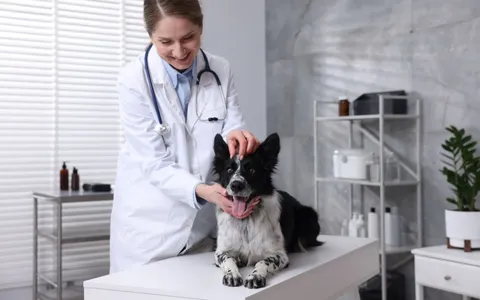

Offer your clients home monitoring with Biotrack
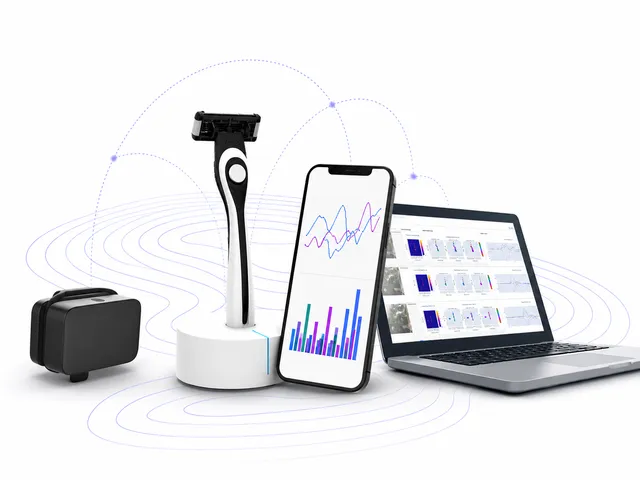
The patients you worry about, followed every day at home: their owners are reassured, you see deteriorations coming and you adjust treatments on measurements.
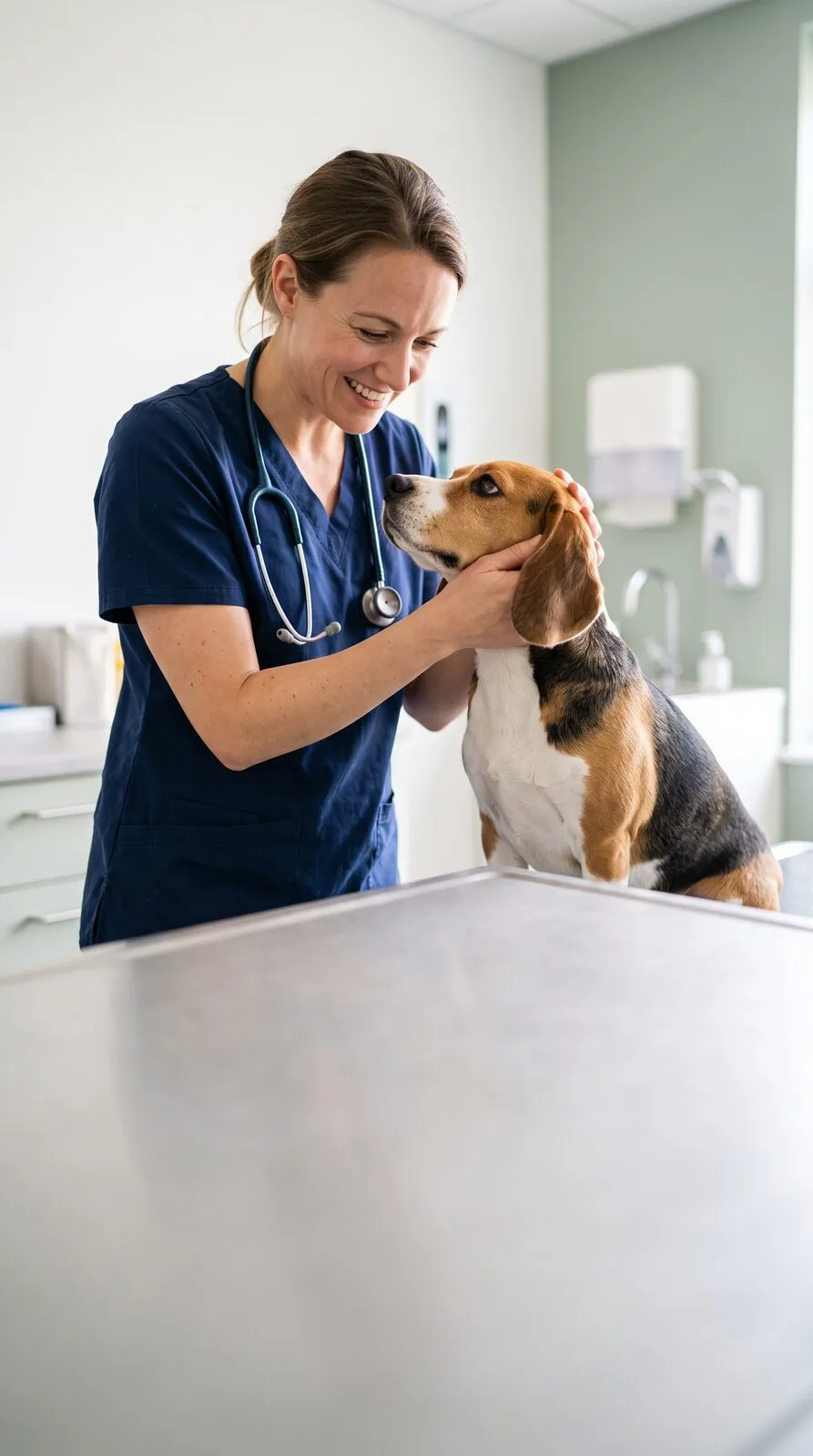
What monitoring changes, for your patients and their owners
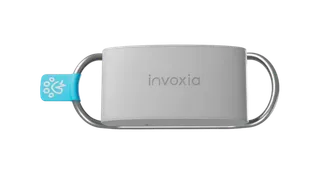
The Biotracker measures the dog's resting heart and respiratory rates several times a day, on its usual collar. What you do with them:
Reassured owners
They no longer keep watch alone: the clinic follows their dog day after day and calls them when something changes. And they have nothing to do, the collar measures on its own.
Earlier detection
Resting heart and respiratory rates, the recognised early markers of decompensation, measured at home without the white-coat effect and compared with each dog's own normal. You see the drift, and decide when the dog should come in.
Treatments adjusted on measurements
Before and after a dose change, the resting heart rate and HRV show how the dog responds: titration is judged on figures rather than on an impression.
Post-op recovery followed remotely
Vital signs back to normal, sleep, activity resuming: you know whether recovery is going well without bringing the dog back.
The right consultations
Reassurance calls give way to monitoring, and the consulting room goes to the cases that need it.
A lasting bond with the clinic
The Biotracker stays on the dog and the platform is linked to your clinic: the patient stays in your care between two visits.


Five follow-ups you could offer next week
What you watch, and what it changes. The durations are examples: each clinic sets them, patient by patient.
Chronic cardiac, stage B2 and above · 1 month
- You watch
- A sustained rise in the resting respiratory rate, the recognised early marker of decompensation.
- What it changes
- The consultation is triggered by the data, not by the crisis.
Response to treatment · 14 days
- You watch
- Resting heart rate and HRV, before and after a dose change (pimobendan, antihypertensive).
- What it changes
- Titration is judged on measurements rather than on an impression.
Post-operative · 7 days
- You watch
- Resting heart and respiratory rates returning to the dog's normal, sleep interruptions, activity resuming.
- What it changes
- You know whether recovery is going well without bringing the dog back for it.
Senior prevention · 3 months
- You watch
- The dog's normal against the published reference values by age, weight and breed (AI-COLLAR study, 2025).
- What it changes
- An ageing dog has a reason to come in before something goes wrong.
Behavioural referral · 14 days minimum
- You watch
- Sleep interruptions and their timing, daytime versus night-time sleep, chronic stress through HRV.
- What it changes
- Subjective observation becomes a measured fact. A German clinic has made it a rule: every dog referred for a behavioural diagnosis wears a Biotracker for at least 14 days.

Ready to launch your monitoring service?
Create your demo account in under a minute, explore the dashboard on real clinical cases, then request your offer from its Offers page.