






An early signal
Heart rate raised the alert on 5 April, respiratory rate on 17 April: 22 and 10 days before respiratory rate reached 30/min, the classic threshold.

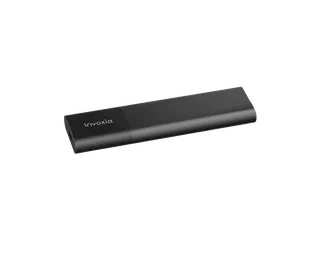
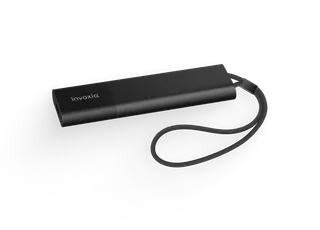
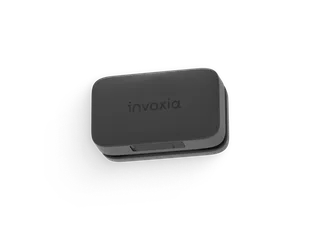
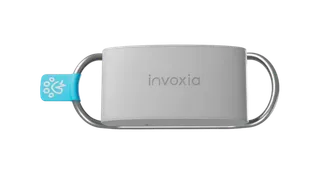
A real case, followed with the Biotracker and the Biotrack platform from June 2024 to June 2025: two automatic alerts, cardiac then respiratory, before the classic 30/min threshold.
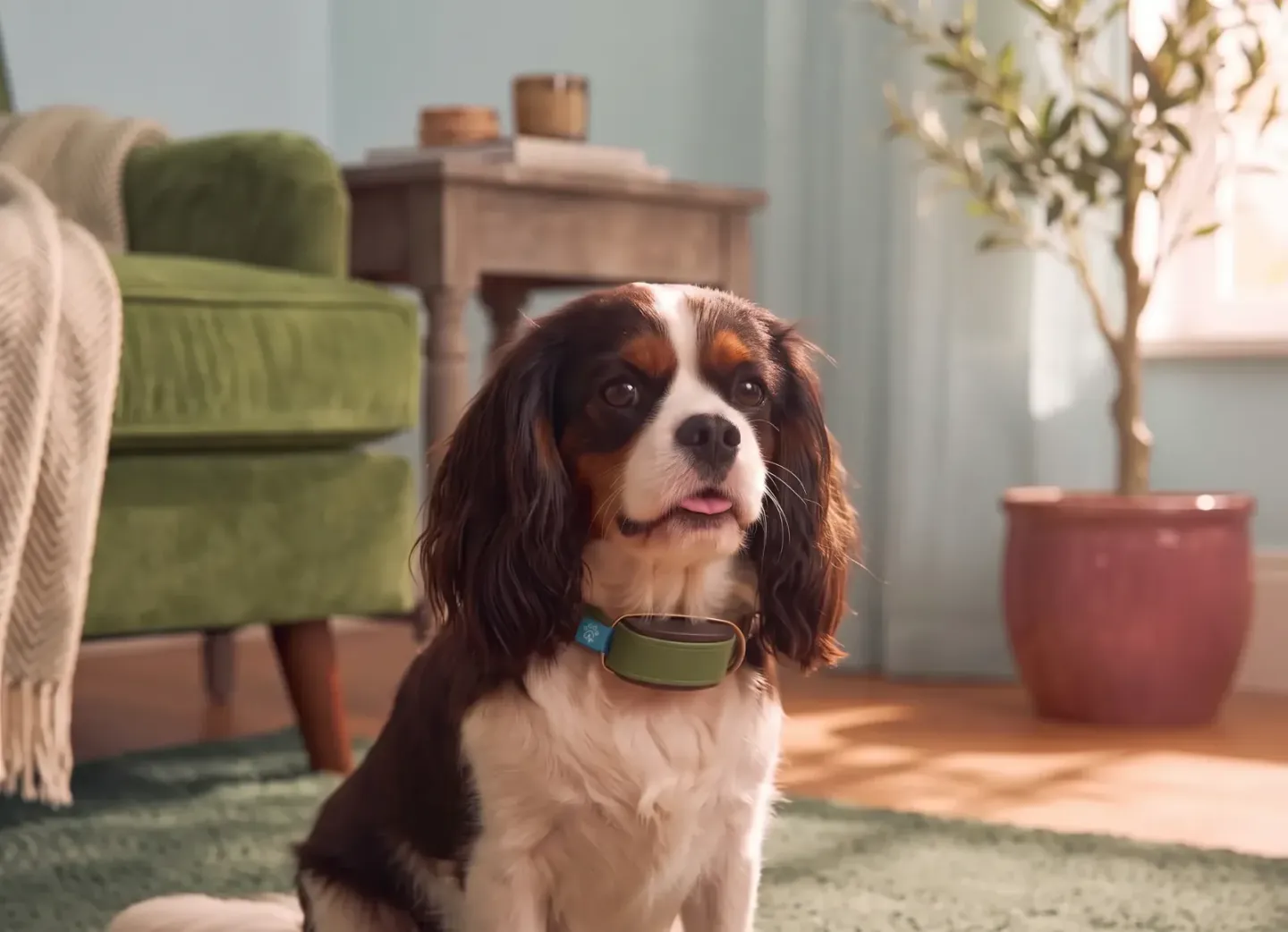
Jasmine
Cavalier King Charles · 10 years · 7.4 kg (16.3 lb) · spayed female
MMVDCHFEdema
Stage C
degenerative mitral valve disease (ACVIM), with congestive heart failure · pulmonary edema
Jun 2024
Stage B2, Biotracker fitted
Dec 2024
Chordal rupture, diuretic
5 Apr 2025
Automatic HR alert
17 Apr 2025
Automatic RR alert
27 Apr 2025
RR at 30/min, the classic CHF threshold
The clinical question: how do you see Jasmine's decompensation coming before her respiratory rate reaches 30/min, without multiplying consultations?
Real clinical case, Biotracker data · staging: ACVIM consensus 2019
For Jasmine, as for every cardiac patient, conventional follow-up has blind spots.
3–6 months
between two spot checks in conventional follow-up, and nothing measured in between
Several times a day
resting heart and respiratory rate recorded at home by the Biotracker, with nothing for the pet parent to do

ACVIM consensus 2019
Resting heart rate · daily average, bpm
Resting respiratory rate · daily average, per minute
daily average 20-day average 40-day average her corridor (adaptive thresholds) automatic alert classic threshold, 30/min
From the patient's Biotrack view, 27 June 2024 to 10 June 2025. Vertical lines: chordal rupture and diuretic (4 Dec 2024), RR at 30/min (27 Apr 2025), torasemide doubled (9 May).
Real clinical case, Biotracker data: Biotrack daily averages, adaptive thresholds and trend alerts · staging: ACVIM consensus 2019
Resting heart rate · bpm, Feb – Jun 2025
Resting respiratory rate · per minute, Feb – Jun 2025
daily average 20-day average 40-day average her corridor automatic alert classic threshold
Heart rate has gained 12 bpm in 40 days, from 96 to 111 bpm: Biotrack raises an automatic alert, 22 days before the classic threshold.
Respiratory rate has gained 5/min in 20 days: 20.5/min, nothing visible at home. Second alert, 10 days before the threshold.
Respiratory rate reaches 30/min, the classic criterion for congestive heart failure. On 9 May, torasemide is doubled; by early June, respiratory rate is back below 20/min.
Real clinical case, Biotracker data
The weeks before a cardiac decompensation leave a trace in the vital signs. We follow it here, curve after curve, up to the alert.
Her readings of the day, against her values at the start of follow-up. No one watches the curves all day: the alert says which patient to open.
116 bpm
resting heart rate, against 76 bpm on average in summer 2024
20.5/min
resting respiratory rate, against 14/min on average in summer 2024
2 alerts
HR on 5 April, RR on 17 April: her respiratory rate is still far from 30/min

Real clinical case, Biotracker data · AI-COLLAR (Front Vet Sci 2025)
Three things a year of follow-up shows, each one read on the curves, not assumed.
Heart rate raised the alert on 5 April, respiratory rate on 17 April: 22 and 10 days before respiratory rate reached 30/min, the classic threshold.
Torasemide doubled on 9 May shows on the curves: respiratory rate back below 20/min by early June, heart rate toward 100 bpm.
The pet parent understands their dog's disease, with data to back it, and stays engaged with the clinic throughout the follow-up.
For the clinic, this is a billable act: chronic cardiac follow-up, for example €50 to €100 a month billed to the pet parent, renewable for as long as the dog is followed. Each clinic sets the price and the duration.
Real clinical case, Biotracker data · Invoxia veterinary offer, October 2026
In under a minute, no commitment, no credit card: a clinic's dashboard, pre-filled, with its patients sorted by alert.


